Plastic waste is a growing problem in the U.S., with millions of tons ending up in landfills each year. However, a growing number of innovative startups are turning this environmental challenge into an opportunity by converting plastic waste into durable building materials.
This approach not only helps reduce plastic pollution but also offers a sustainable solution for the construction industry.
ByFusion: Pioneering Plastic-to-Block Technology
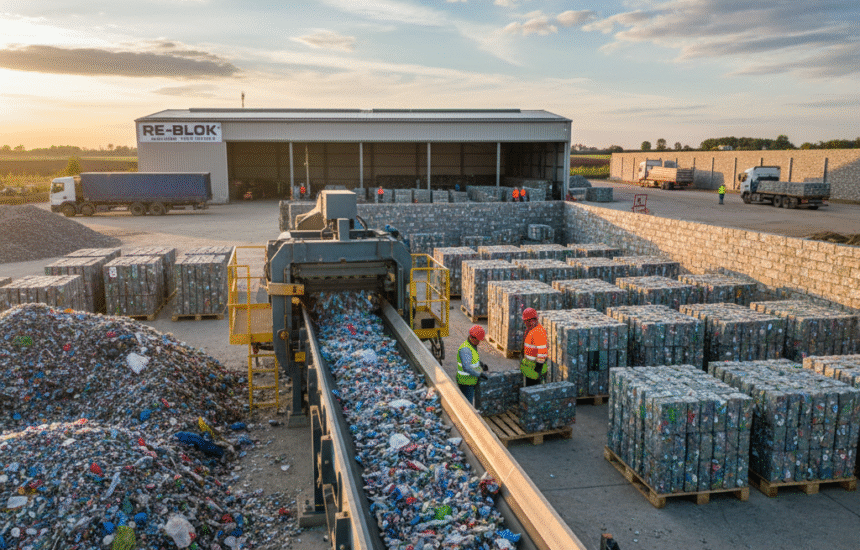
ByFusion, a California-based startup, has developed a groundbreaking technology that transforms non-recyclable plastic waste into strong, durable building blocks known as ByBlocks.
These blocks are designed to be used in various construction applications, including walls, fences, and landscaping features. ByFusion’s process involves shredding plastic waste and compressing it into molds without the need for additional binders or chemicals, making the blocks both eco-friendly and cost-effective.
The company aims to process 100 million tons of plastic annually by 2030, significantly contributing to global plastic waste reduction efforts.
Kubik: Addressing Housing Needs with Recycled Plastics
Kubik, a startup founded in Ethiopia, is tackling two major issues: plastic waste and the shortage of affordable housing. By collecting discarded plastics from local communities, Kubik manufactures building materials that are both sustainable and cost-effective.
These materials are used to construct homes and other structures, providing a solution to housing shortages while simultaneously reducing plastic pollution. Kubik’s innovative approach demonstrates how recycling plastic can address pressing societal challenges.
IMPAC+: Converting Microplastics into Construction Materials
The IMPAC+ project focuses on converting microplastic-laden mud into usable bricks for construction. This initiative addresses the issue of microplastic pollution, which is often overlooked but poses significant environmental risks.
By transforming this polluted material into building bricks, IMPAC+ not only cleans up the environment but also provides an alternative building resource. This innovative approach highlights the potential of recycling even the most challenging forms of plastic waste.
Precious Plastic: Empowering Communities Through Plastic Bricks
Precious Plastic is an open-source project that enables individuals and communities to recycle plastic waste into building bricks. By providing accessible tools and knowledge, Precious Plastic empowers people to create their own sustainable building materials.
This initiative promotes local recycling efforts and fosters a sense of community involvement in environmental conservation. The project’s success underscores the importance of grassroots efforts in tackling plastic pollution.
The Future of Plastic Waste in Construction
The innovative efforts of these startups are reshaping the construction industry by introducing sustainable alternatives to traditional building materials. By converting plastic waste into valuable resources, they are not only reducing pollution but also promoting a circular economy where materials are reused and recycled.
As these technologies continue to evolve, they hold the potential to revolutionize construction practices and contribute to a more sustainable future.
The transformation of plastic waste into building materials is a testament to human ingenuity and the power of innovation in addressing environmental challenges. Startups like ByFusion, Kubik, IMPAC+, and Precious Plastic are leading the way in demonstrating how waste can be repurposed to create valuable resources.
Their efforts not only help reduce plastic pollution but also pave the way for a more sustainable and resilient construction industry. As these initiatives gain momentum, they inspire others to think creatively about waste and its potential for reuse, fostering a culture of sustainability and environmental responsibility.