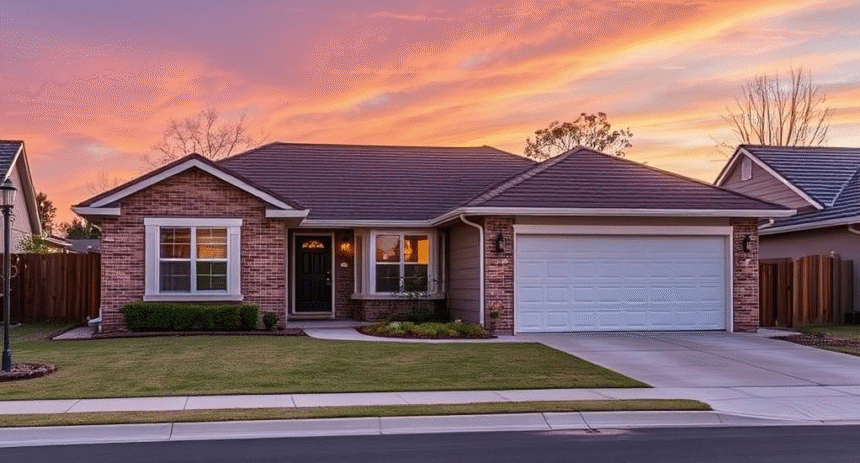
Single-story homes have stood the test of time, finding favour among different generations for their comfort and convenience. Living on one level offers clear advantages for families, seniors, and even young couples. The structure is simple, yet the impact on daily life is significant. With no stairs to worry about, these homes make everyday movement easier for everyone in the household.
Convenience for All Ages
One of the most overlooked strengths of single-story homes is how easy they make life for people of all ages. Children can move about safely, and parents have fewer worries about stair-related accidents. Seniors or those with limited mobility benefit greatly, since everything is located on a single level. This design means fewer barriers, making navigation smoother, and turning daily tasks into manageable routines. Corridors can be widened for wheelchair access, and future changes to the layout usually cause less disruption.
Building and Maintenance Made Simple
Another key benefit of a single-story home is how straightforward it is to build and maintain. Without the need for a second floor, construction usually takes less time and costs less. Fewer materials are necessary, and tasks like roof repairs or exterior painting become less complicated compared to taller homes. Maintenance chores, like cleaning or washing windows, no longer require tall ladders or special equipment. The ease of reaching all parts of the house makes upkeep more manageable, especially for those who prefer a hands-on approach to home care.
Better Safety and Communication
Single-story homes are known for their safety, especially for families with young children or for multi-generational households. There are no risky stairs, which lowers the chance of accidents. Being on one level also has a subtle social benefit: it brings family members closer together. With everyone living on the same floor, communication is easier, and it’s simpler to share everyday experiences. The design supports the idea of togetherness, making it a good choice for those who value strong family bonds.
Flexible Design Choices
When building or remodelling a single-story home, homeowners find the process less stressful. The simplicity of the structure offers freedom in arranging rooms, creating open spaces, and deciding on details that suit personal taste. It’s possible to add extensions or change the layout without major structural challenges. Creative ceiling designs, custom storage, and unique architectural details are easier to implement, making the design process a more pleasant experience.
Easy Access to Outdoor Spaces
Living on one level makes it simple to enjoy outdoor areas. Many single-story designs include patios, decks, or gardens that connect seamlessly with indoor living spaces. Stepping out for fresh air, hosting a barbecue, or relaxing in the yard becomes second nature. Large windows and glass doors let in natural light and open up views, making the connection with nature feel smooth and inviting.
Drawbacks To Consider
While single-story homes offer many advantages, there are some limitations worth thinking about.
Space and Land Requirements
A single-story home demands more land than a multi-story design. If the lot is small, it can be challenging to create the needed living area without crowding the outdoor space. Owners sometimes have to choose between building a larger home and keeping a spacious yard. Cost can also play a role, as acquiring extra land comes with higher purchase prices and, sometimes, zoning restrictions. In areas with tall neighbouring buildings, natural light can be limited, so planning must address how to bring sunlight inside.
Privacy and Noise
Because all rooms are on one floor, there can be privacy concerns, and noise may travel more easily through the home. Bedrooms next to common spaces might have less separation, which can be noticeable in busy households. For larger families or those who need space for home offices, careful planning is needed to create quiet corners and maintain comfort for everyone.
Heating, Cooling, and Roofing
Temperature control sometimes poses a challenge, especially in hot climates. With the roof close to living spaces, homes may get warm quickly when the sun shines. Energy needs can be higher during peak seasons, although proper insulation and the use of heat-reflective materials can offset this issue. Another consideration is the cost of roofing: a single-story house usually needs a bigger roof, and depending on the design, this might increase construction expenses. Creating the right ventilation is key to controlling air flow and keeping the home comfortable year-round.
Should You Choose a Single-Story Home?
If convenience, safety, and easy maintenance top your list, a single-story home might be the right fit. These homes not only support flexible design choices but also bring people closer together through functional living spaces. However, it’s important to weigh the land needs, building costs, and privacy factors against the benefits. Each household is different, and the final choice should reflect individual lifestyles, location, and future plans.
Single-story homes have a long tradition of serving families well, offering comfort and adaptability in a wide range of settings. With proper planning and thoughtful design, they continue to be a smart option for both first-time buyers and long-term homeowners looking for lasting value.