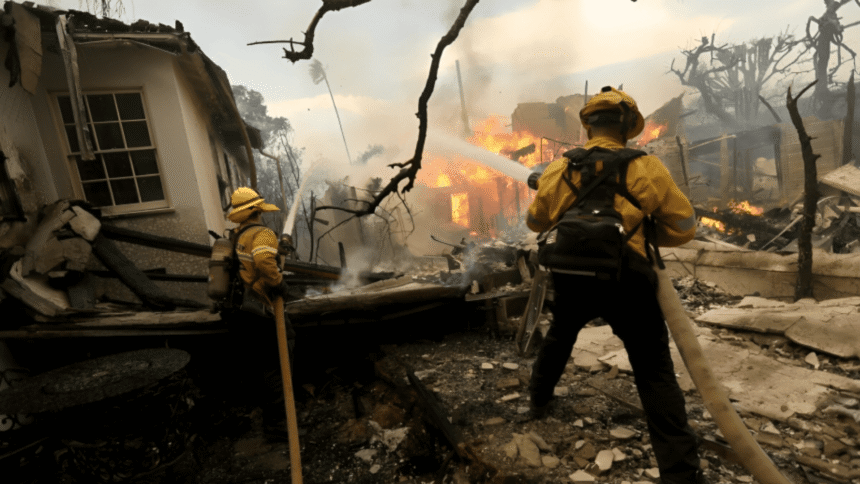
A year after the 2025 Eaton and Pacific Palisades fires, rebuilding in Los Angeles is still stalled. Thousands of displaced residents cannot return home because of slow building permits and rising rents. These challenges have made the housing crisis worse in places like Altadena and Pacific Palisades, putting more pressure on the local real estate market.
Permit Delays Slow Rebuilding Efforts
By early 2026, Los Angeles officials had received more than 4,000 permit applications for wildfire rebuilding, but approved only 1,326. The city processed over 1,800 applications and issued 758 permits, while the county handled 2,220 applications and approved just 568. Thousands of applications are still waiting. So far, only 10 homes have been fully rebuilt across the county, and about 900 are under construction, even though the need is urgent.
Mayor Karen Bass opened one-stop permitting centers aiming to review eligible projects within 30 days, but the process is still slower than before the fires. Insurance delays and low payout estimates also hold up rebuilding until permits are approved. In Altadena, Black families face extra challenges because of past inequities, and 70% of owners with severe damage cannot rebuild or sell their homes.
Governor Gavin Newsom issued executive orders to waive some CEQA and Coastal Act rules to speed up approvals, but city and county coordination problems remain. According to McKinsey, Los Angeles needs 3,000 to 3,500 permits by late 2026 to rebuild half of the more than 16,000 homes lost, based on lessons from the Tubbs Fire.
Rising Rents Prevent Residents from Returning
After the fires, average rents in LA County rose by 20 to 29 percent. In some neighborhoods, like Glendora and Encino, single-family home rents jumped by 141 to 150 percent, even though the state has a 10 percent price cap. Median rents reached $4,974 in Glendora and $12,025 in Encino, as more than 180,000 evacuees competed for a small number of available homes. More than 70 percent of people displaced by the Eaton and Palisades fires are still unable to return, leading many to stay in motels or move out of state.
The state has provided $107 million to create 673 affordable rental units for fire survivors, but these homes are outside the areas that burned and do not make up for the direct losses. Price gouging continues as landlords quickly relist properties to avoid rent caps, taking advantage of the shortage caused by 30 confirmed deaths and widespread damage.
Real Estate Market Remains Under Pressure
The fires destroyed 16,255 structures, including about 16,000 homes and businesses, across 37,000 to 50,000 acres. Damages have reached $250 billion. More than 600 fire-damaged lots have been sold, showing that many people are leaving, which reduces the housing supply. The gap between insurance payouts and higher rebuilding costs, made worse by stricter fire codes, is stopping people from returning and slowing down home sales.
Many burned neighborhoods remain empty, filled with debris and hazards that keep buyers and renters away. Inequality is getting worse, as uninsured Latino and Black households, who were hit hardest, are falling behind in recovery. Governor Newsom’s $2.5 billion relief package helped clear debris faster than anywhere else in the country, but rebuilding homes is still far behind.
Reforms Are Urgently Needed
Los Angeles could use third-party permitting, like Santa Rosa did after the Tubbs Fire, to cut approval times to 45 days. Digital tools and AI-assisted plan reviews, with proper oversight, could help clear the backlog more quickly. Community groups that share insurance advice, as seen after fires in Colorado, can also help people rebuild faster.
Rent controls need tougher enforcement plus survivor vouchers to curb exploitation. From my vantage as a veteran real estate editor, LA’s zoning rigidity worsens this; pre-vetted modular units and density incentives would rebuild swiftly and safely. Lawmakers must favor families over red tape, preventing stalled sites from becoming permanent voids that warp markets in the long term. Integrated permits and gouging penalties provide the essential path to stable wildfire housing recovery.
Image Credit – latimes.com