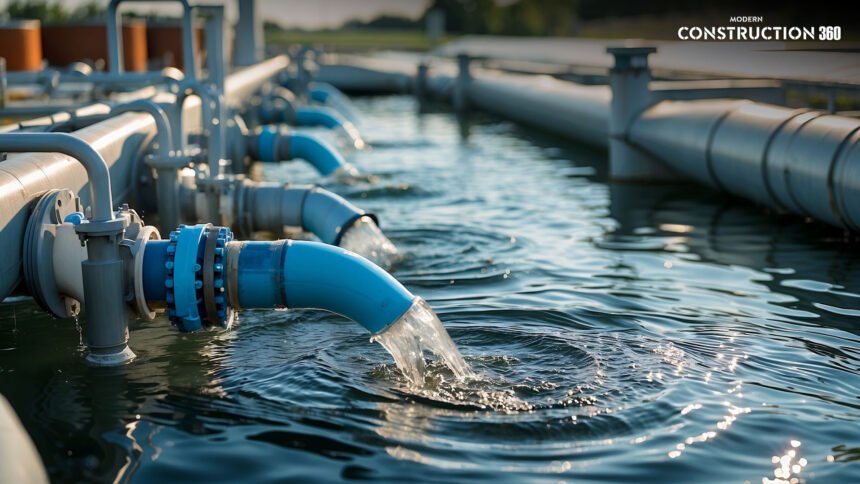
Factories around the world generate millions of litres of wastewater every day. While this wastewater is often treated as waste, it can still contain valuable metals that industries rely on for manufacturing. Recovering these materials instead of letting them go to waste has become an important part of the global shift toward a circular economy. Italy-based Circular Materials is working to make that possible, and its latest funding round marks an important step in bringing its technology to a larger industrial scale.
Circular Materials Raises $13.5 Million in SAFE Financing
Circular Materials has secured $13.5 million in a SAFE (Simple Agreement for Future Equity) financing round to accelerate the commercial growth of its industrial wastewater recovery technology.
The investment round was backed by CDP Venture Capital, the European Innovation Council Fund (EIC Fund), EIT RawMaterials, 360 Capital, Corbites, and Lumar. The funding reflects growing investor confidence in technologies that improve resource efficiency while supporting more sustainable industrial operations.
The company plans to use the new capital to expand its technology, strengthen its engineering capabilities, and prepare for wider commercial deployment.
Funding to Support Industrial-Scale Growth
Circular Materials will invest the funding in building its first large-scale industrial plants. These facilities are expected to demonstrate the company’s technology in commercial environments and support its expansion into more industrial sectors.
The company also plans to continue developing its material recovery technology through additional research and engineering work. At the same time, it will expand its engineering teams across Europe to support future projects and customer deployments.
These investments are aimed at helping Circular Materials move from technology development to broader industrial adoption.
Turning Industrial Waste Into Valuable Resources
Founded in 2019, Circular Materials develops technology that helps industries recover valuable raw materials from industrial wastewater. Instead of allowing these materials to be lost during treatment, the company’s process enables them to be recovered and reused.
Its technology is designed to recover critical raw materials from industrial wastewater while reducing waste generated during industrial processes. By recovering valuable resources that would otherwise be discarded, the company supports more efficient use of materials and contributes to circular economy practices.
As industries continue searching for ways to reduce waste and improve resource efficiency, solutions that recover valuable materials from existing waste streams are becoming increasingly important.
Meeting the Growing Demand for Sustainable Industry
Manufacturers across Europe and other regions are facing increasing pressure to improve environmental performance while securing access to critical raw materials. Recovering valuable resources from industrial processes can reduce dependence on newly extracted materials and improve the efficiency of existing production systems.
Circular Materials aims to address both challenges by helping industries recover useful materials while reducing the environmental impact of wastewater management. The company’s technology supports a more sustainable approach to industrial production by transforming waste streams into a source of valuable resources.
Looking Ahead
The latest $13.5 million financing gives Circular Materials the resources to advance its next phase of growth. By investing in industrial-scale facilities, expanding its engineering teams, and continuing technology development, the company is preparing to bring its wastewater recovery solutions to a wider market.
As industries place greater emphasis on resource efficiency and circular manufacturing, technologies that recover critical raw materials from industrial wastewater are expected to play an increasingly important role. With fresh investment and plans for commercial expansion, Circular Materials is positioning itself to contribute to the future of more sustainable industrial operations.