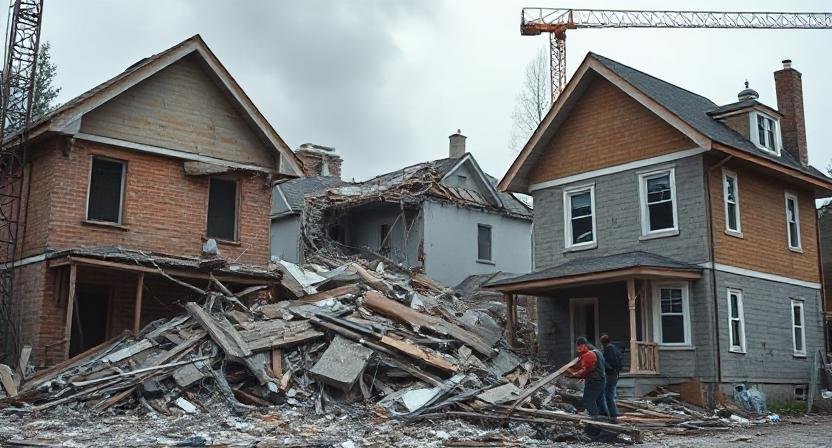
When construction goes wrong, the consequences can be devastating, ranging from tragic loss of life to long-term economic and social impacts. Real stories of construction failures around the world reveal common causes such as poor design, substandard materials, oversight failures, and corruption. Understanding these incidents provides lessons and solutions to prevent future disasters.
Famous Construction Failures and Their Causes
One of the most catastrophic construction failures in recent history is the Rana Plaza collapse in Dhaka, Bangladesh, in 2013. This eight-story commercial building housed multiple garment factories and shops. Cracks appeared in the building a day before the collapse, and engineers had recommended evacuation.
However, factory owners forced over 3,000 workers to return the next day. The building collapsed, killing 1,134 people and injuring thousands more. The causes included illegal building expansion, overloaded floors, substandard construction materials, and blatant disregard for safety warnings.
Corruption played a major role, with bribes allowing permits and construction approvals despite unsafe conditions. This tragedy exposed significant regulatory failures and led to global reforms in building inspections and labor safety agreements among international retailers.
Another notable failure was the Weiguan Jinlong Building collapse in Taiwan in 2016 during a 6.4 magnitude earthquake. Unlike nearby buildings that withstood the quake, this 17-story residential tower collapsed rapidly, killing 115 residents.
Investigation revealed that the concrete columns contained empty cooking oil cans to cut costs, resulting in weak structural support. Using inferior materials and poor construction practices led to the building’s inability to withstand seismic forces.
This incident sparked public outrage and led to criminal charges against engineers and contractors, prompting stricter building codes and quality controls for seismic design.
In Lagos, Nigeria, a multi-story guesthouse attached to the Synagogue Church of All Nations collapsed in 2014, killing 116 mostly foreign visitors. The collapse was traced back to design flaws and a lack of proper approvals, with insufficient reinforcements in the concrete columns.
This case highlighted the dangers of building without adequate professional oversight and enforcement of construction standards. It led to renewed calls for stricter regulations and accountability in Nigeria’s construction industry.
Common Issues Leading to Construction Failures
These real cases showcase recurring problems that cause construction disasters. Poor quality materials, such as weak concrete or inadequate steel reinforcement, drastically weaken a building’s integrity.
Unauthorized design changes or expansions without proper engineering review put extra loads on structures beyond their safe capacity.
Corruption and bribery allow unsafe buildings to pass inspections and approvals. Lack of enforcement of safety regulations means builders have little incentive to follow best practices.
Designers may miss critical factors like soil conditions, as seen in the Rana Plaza case, where the land was originally a swamp filled with trash instead of proper foundation materials.
Construction companies sometimes cut corners to save money, sacrificing durability and safety.
Solutions and Preventive Measures
Preventing construction failures requires a holistic approach involving regulations, technology, and culture change. Governments need to establish and enforce strict building codes, especially for seismic and load-bearing standards.
Regular inspections by impartial professionals can catch problems early. Transparency in permitting and construction processes helps reduce corruption.
Using modern construction technologies like advanced materials testing, structural health monitoring, and real-time site inspections with drones can improve quality control. Educating builders, engineers, and managers about risks and safe practices creates a safety-first mindset.
Contractors and designers must resist cost-cutting shortcuts that compromise safety. Owners and clients play a key role by demanding compliance and not accepting lower standards. When cracks or warnings appear, evacuations and repairs cannot be delayed.
Lessons from Failure Stories
The Rana Plaza tragedy led to international efforts for factory safety reform, showing how global cooperation can improve standards. The Taiwan building collapse emphasized the need to use certified materials and robust construction methods, especially in earthquake-prone areas.
The Nigerian guesthouse case made clear the importance of professional accountability and adherence to engineering norms in every build.
Each disaster reveals failures at multiple points: design, construction, regulation, and governance. Addressing these collectively reduces the risk that poor decisions or unethical behavior cause fatal outcomes.
When construction projects go wrong, the consequences can be catastrophic, with loss of lives and economic devastation. Real stories from around the world highlight common causes such as poor materials, design flaws, corruption, and regulatory failures.
Learning from these failures emphasizes the importance of strong building codes, rigorous inspections, the use of quality materials, and ethical practices. Preventive actions, including modern technologies and safety culture, can help ensure buildings are safe, durable, and reliable places for people to live and work.
Construction mistakes are costly, but with vigilance and commitment, many disasters can be avoided, protecting lives and property for the future.