Construction sites are places of constant activity where the risks are intense and the stakes are high. Below is a concise yet powerful overview of the deepest hazards workers face and the most effective ways to prevent them.
Intense Hidden Hazards on Construction Sites
- Fatal Falls from Heights: Falls cause nearly 39% of construction deaths, mostly from scaffolds, ladders, and roofs between 6 and 30 feet high. Even small missteps without proper fall arrest systems can be deadly.
- Struck-By Incidents with Heavy Machinery: About 17% of fatal injuries involve workers struck by cranes, forklifts, or trucks. Operator blind spots and close proximity raise the risk of fatal collisions.
- Electrocution and Electrical Hazards: Electrical shocks cause around 8% of fatalities. Risks come from exposed wires, faulty tools, and ignoring lockout/tagout procedures.
- Trenching and Excavation Collapses: Cave-ins kill an average of 54 workers yearly. Failures in properly shoring trenches are often due to rushed or insufficient inspections.
- Overexertion and Musculoskeletal Disorders: Over 20% of non-fatal injuries stem from repeated lifting, awkward postures, and poor ergonomics, causing long-term disabilities.
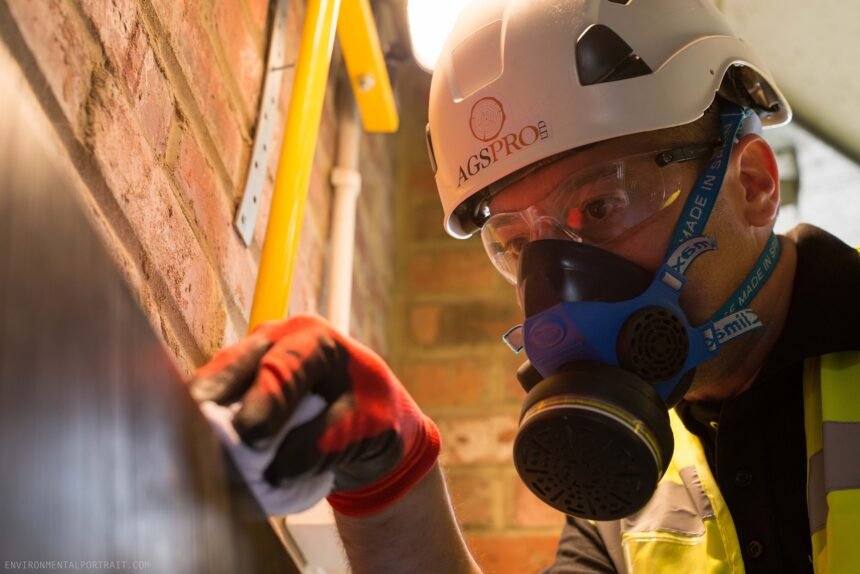
- Hazardous Chemicals and Particulates: Dust from asbestos, silica, and chemicals can cause deadly lung diseases if proper respirators and ventilation are not used.
- Fires, Explosions, and Thermal Stress: Thousands of fatalities from fire and explosions occur annually, often from mishandled flammable materials. Heat exhaustion is another serious, sometimes fatal, risk.
Preventing Intense Construction Hazards
- Comprehensive Safety Training: Beyond basic awareness, workers must receive detailed, task-specific training, including recognizing latent construction hazards and responding to emergencies. Refresher courses and simulations improve retention and readiness.
- Advanced Fall Protection and Equipment: Use of engineered systems such as full-body harnesses with shock absorbers, guardrail systems designed to meet or exceed standards, and fall arrest anchorage points is critical. Rigorous inspection and maintenance of access equipment mitigate collapse or failure risks.
- High-Visibility Technology and Machine Safeguards: Incorporating wearable GPS trackers, cameras on heavy equipment, proximity alarms, and automated shutdown systems reduces struck-by incidents. Training equipment operators in blind-spot management and spotter use also improves safety.
- Electrical Safety Protocols: Scheduled audits by qualified electricians, use of insulated gloves and tools, clearly marked live work areas, and strict lockout-tagout policies prevent electrocutions and electrical fires.
- Trench Shoring Innovations and Monitoring: Use of trench boxes, hydraulic shoring, and electronic monitoring systems that alert when soil conditions change reduces cave-in risk. Supervisors must enforce rigorous entry/exit controls for confined spaces.
- Ergonomic Solutions and Mechanization: Mechanical aids for heavy lifting, team lifting protocols, and redesigning workflows to minimize repetitive strain and reduce overexertion injuries.
- Chemical and Particulate Controls: Deploying dust suppression systems, using respirators certified to relevant standards, and implementing confined space ventilation protocols protect workers. Regular health surveillance detects early signs of occupational illnesses.
- Fire and Heat Stress Management: Fire-resistant clothing, strict hot work permits, continuous monitoring for ignition sources, and site-wide emergency response plans reduce fire-related incidents. Heat stress prevention mandates scheduled rest breaks, shaded rest areas, and hydration strategies tailored to workers and environmental conditions.
Safety Culture and Leadership Impact
The intensity and variety of risks on construction sites demand more than policies; they require a deep-rooted safety culture. Leadership must visibly support safety efforts, allocate necessary resources, and hold all levels accountable. Open communication channels and frontline worker participation uncover hidden hazards early.
With nearly 1,075 fatal injuries nationally occurring in construction yearly, of which approximately 1,029 were deemed preventable, the industry faces both a challenge and an opportunity to save lives by going beyond the basics toward comprehensive, high-impact safety solutions.
Construction hazards, ranging from fatal falls to chemical exposure and equipment accidents. These dangers require advanced, technology-driven safety measures combined with rigorous human oversight, training, and a culture that prioritizes safety at every level. Efforts to control these risks not only protect lives but also enhance productivity and project success in this vital industry that builds the world we live in.
Image by jtronics80 from Pixabay