What Is Core and Shell Construction in Commercial Real Estate?
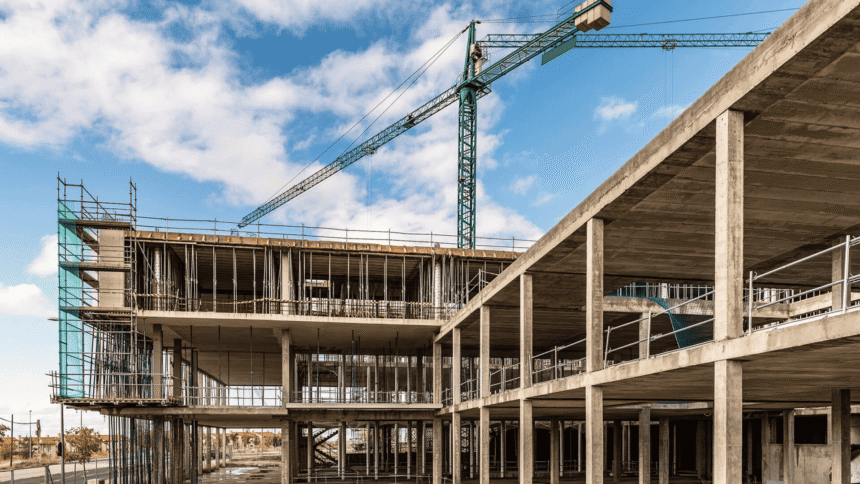
Core-and-shell construction is a widely used building approach in the US commercial real estate sector. Developers construct the building’s structural framework and essential systems, such as foundations, columns, elevators, stairwells, exterior walls, roof, and base mechanical, electrical, and plumbing (MEP) systems, while leaving interior spaces unfinished. These interiors are later completed by tenants through tenant improvement (TI) work.
Originally adopted to avoid spending on interiors that incoming tenants would remove, core and shell construction has become the standard for office buildings, retail centers, and industrial facilities across the United States.
Faster Project Timelines Through Parallel Planning
One of the biggest advantages of core-and-shell construction is speed. Developers can begin structural work without waiting for finalized interior layouts, while tenants plan their spaces in parallel. This overlap significantly shortens overall project timelines.
Unlike traditional full-build projects, where each phase must be completed sequentially, core and shell allows the building to become weather-tight earlier. Once the shell is delivered, interior work can begin immediately. In competitive markets such as New York, Dallas, and Chicago, this approach can shave months off delivery schedules and give developers a critical timing advantage.
Reduced Risk from Tenant Design Changes
Tenant requirements often evolve during a project. Office layouts change due to hybrid work models, retail tenants adjust branding needs, and industrial users may add specialized equipment or technology infrastructure.
In full-build projects, such changes often result in costly redesigns, delays, and change orders. Core-and-shell construction minimizes this risk by separating the base building from interior customization. Tenants can modify layouts during the fit-out phase without affecting the core structure, helping projects stay on schedule and within budget. This flexibility is especially valuable in fast-growing markets like Austin and Atlanta.
Lower Upfront Costs and Faster Financing
Core-and-shell construction reduces initial capital outlay for developers by eliminating unnecessary spending on finishes, fixtures, and interior systems that tenants may later remove. The investment is focused on long-term assets, such as concrete, steel, glazing, and base-building systems.
This lower upfront cost often accelerates financing approvals. US lenders favor projects with reduced risk exposure and faster delivery timelines, making construction loans easier to secure. Developers can complete projects sooner, stabilize them faster, and redeploy capital into new developments, fueling continuous growth.
Faster Leasing and Higher Occupancy Rates
Shell-ready spaces are highly attractive to tenants because they offer design freedom. Businesses can create spaces aligned with their operational needs and brand identity, whether that means open-plan offices, specialized medical suites, or high-density warehouse layouts.
Marketing properties as “custom-ready” allows developers to lease space earlier in the construction cycle. In suburban and secondary markets across the US, this approach has led to quicker lease signings and higher occupancy rates, improving asset value and long-term returns.
Improved Cash Flow in Volatile Markets
Cash flow timing is critical in commercial real estate. With core-and-shell construction, developers can begin generating rental income sooner by leasing space as soon as the shell is complete, even while tenants finish their interiors.
This early income helps service debt and stabilize projects more quickly, which is especially important during economic slowdowns or periods of interest rate volatility. In markets such as Houston’s energy corridor, this model has proven effective for maintaining profitability during market shifts.
Proven Across US Markets and Building Types
Core-and-shell construction is successfully used across diverse climates and asset classes in the United States. In California’s Inland Empire, large logistics facilities are delivered as shells, allowing companies like major e-commerce operators to install racking and automation immediately. In Miami and coastal regions, hurricane-resistant shells are constructed quickly, while tenants later reinforce interiors to meet operational needs.
From retail centers in Phoenix to high-rise offices in Seattle, the approach adapts well to local regulations, weather conditions, and tenant requirements.
Easier Coordination and Regulatory Approvals
While core and shell construction requires coordination between developers, architects, contractors, and future tenants, US firms manage this efficiently using digital collaboration tools and phased approvals.
Completing the shell establishes a clear project milestone. Building departments can approve structural and life-safety elements early, allowing tenant improvements to proceed without major permitting delays. This phased approval process is particularly beneficial in highly regulated states such as California and New York.
Future-Proofing Commercial Buildings in the USA
As commercial real estate adapts to remote work trends, sustainability mandates, and evolving tenant expectations, core-and-shell construction offers long-term flexibility. Developers can integrate future-ready features, such as solar-ready roofs, EV charging infrastructure, and energy-efficient base systems, during the shell phase.
Tenants can then customize interiors to meet net-zero targets or evolving workplace standards without major structural renovations. This adaptability helps buildings remain competitive, easier to re-lease, and more resilient over time.
Core-and-shell construction has become a strategic advantage in US commercial real estate. It shortens timelines, reduces risk, improves cash flow, and gives tenants the flexibility they demand. For developers operating in a fast-moving, cost-sensitive market, this approach turns projects into income-generating assets faster, without sacrificing long-term value.
In an industry where every month matters, core-and-shell construction keeps American commercial development efficient, adaptable, and ahead of the curve.