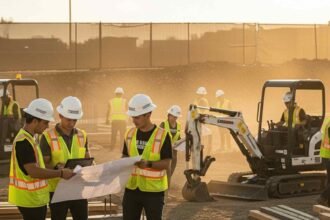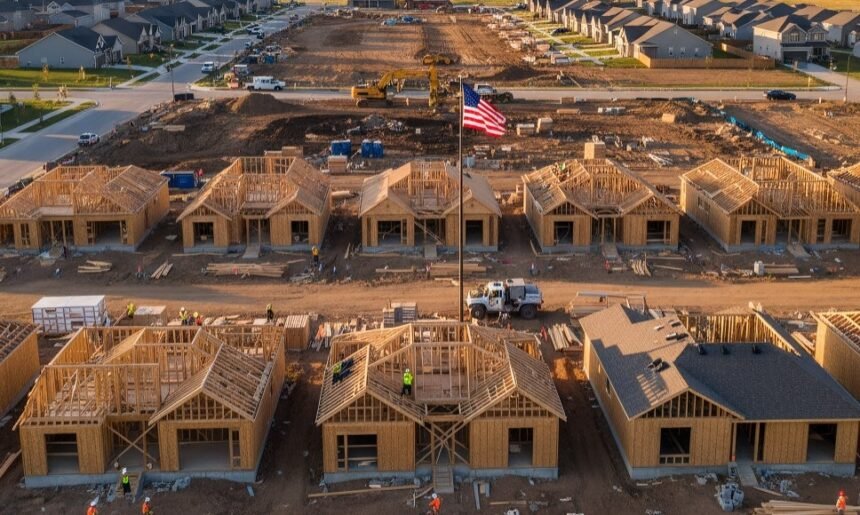
The U.S. residential construction industry is experiencing changes this year as it adapts to shifting market demands, economic pressures, and evolving lifestyles. Homebuilders and buyers alike face new conditions. Keeping up with these trends can offer valuable insight for anyone interested in housing development or planning a home purchase.
Housing Shortage Still Limits Supply
A tight housing supply continues to shape the market in 2025. Although mortgage rates have risen since 2022, slowing some buyer activity, the number of homes being built still falls short of what many regions need. Rent prices have also climbed faster than general inflation, intensifying the challenge.
About 1.5 million new housing units were approved in 2024, returning to levels not seen since before the 2008 financial crisis. Even so, this doesn’t fully catch up with years of underbuilding compared to population growth. States like Idaho, North Carolina, and Arizona continue to generate much of the new home construction due to their growing populations and job opportunities.
Construction Takes More Time
The average timeline to build a new single-family home has lengthened. By 2024, more than one in eight new homes took over a year to finish, compared to under one in ten in 2019. Factors like supply chain disruptions, labour shortages, and material price increases are to blame. Delays in approval and permitting processes also add to the hold-ups.
Longer building times mean fewer homes come to market quickly, which keeps the pressure on prices and pushes some buyers toward buying existing homes or exploring other options.
Growing Demand for Energy-Saving Features
Environmental concerns and increasing energy costs are impacting new home designs. More buyers want features that lower energy use, such as better insulation, efficient heating and cooling systems, solar panels, and smart energy controls. Builders are responding by making these features part of their standard packages.
State and local incentives, along with updated building codes, encourage the use of greener materials and energy-saving construction practices. These measures reduce the environmental impact and also promise lower utility bills for homeowners in the years ahead.
Flexible Layouts Reflect New Lifestyles
The way people use their homes is changing, which shows up in design choices. More homes now include versatile spaces that can serve as offices, study rooms, or quiet retreats for working from home. Open floor plans that combine kitchens and living rooms remain popular because they encourage family interaction.
Builders are offering plans that easily adapt to changes in family size or needs over time. This means homebuyers can customize rooms or add separate entrances without expensive renovations later on.
Smaller Homes and Additional Units Gain Ground
As affordability issues continue, there is increased interest in smaller homes and secondary dwellings like accessory dwelling units (ADUs). Smaller houses cost less to build and maintain and are easier to keep comfortable. ADUs offer owners added flexibility by providing rental income opportunities or extra space for relatives.
These trends are particularly strong in cities and suburbs where land is limited and expensive. Policies that allow easier permitting for ADUs support affordable housing goals in many areas.
More Use of Modern Construction Tools
Builders are making greater use of tools like drones for site surveys, three-dimensional modelling for design accuracy, and modular building techniques that save time and reduce waste. These technologies help overcome labour shortages and allow faster project completion.
As these methods improve, they are likely to become standard in home building, making construction more reliable and cost-effective.
Regional Growth Differences Remain
While housing pressures are felt across the country, some regions grow faster than others. States such as Idaho stand out for their rate of new home development. Southern and Mountain West states, including North Carolina and Arizona, also see steady construction activity.
High-cost coastal cities face more hurdles due to expensive land, tight regulations, and slower permit approvals. This uneven growth complicates efforts to counter housing shortages on a national scale.
The U.S. residential construction landscape in 2025 reveals a sector adjusting to limited supply, shifting buyer expectations, and environmental priorities. Builders are innovating with energy-saving options, adaptable home designs, and new construction methods to meet these challenges.
For buyers, being aware of these trends can guide better choices about what to look for in a new home or potential renovation. For industry professionals, staying in tune with market changes is vital for planning future projects.