Earthquake engineering brings smart ideas into the buildings we live and work in every day. It focuses on making homes, offices, and schools safer without huge costs or fancy looks. These methods help structures bend and sway just enough during shakes, instead of cracking apart.
Base Isolation: The Ground Breaker

Engineers often start at the bottom with base isolation. They place special lead-rubber bearings between a building’s foundation and its first floor. These bearings act like shock absorbers, letting the ground move while the structure stays mostly still.
During an earthquake, seismic waves hit the ground hard, but the rubber part flexes and the lead core squishes to soak up energy. This simple fix works well for everyday buildings like schools or apartments. It cuts down shaking inside by up to 80 percent, keeping people safe and furniture upright.
Older homes can even get retrofits with these bearings if lifted slightly. Costs stay low because no big changes show on the outside. Families in quake-prone spots sleep better knowing their house rides out the storm like a boat on waves.
Controlled Rocking: Gentle Sways

Another clever trick is controlled rocking systems, used in frame buildings such as warehouses or mid-rise offices. Steel frames get designed with elastic braces that let the base rock back and forth in a planned gap. A restoring force pulls it right back after the jolt passes.
This setup turns scary drifts into harmless wiggles. Energy from the quake gets spread out and burned off, so walls and roofs hold firm. It’s perfect for everyday spots where space matters, like community centers or shops.
Builders love it because repairs after a shake focus only on the rocking parts, not the whole place. In tests, these frames handle big quakes with minor fixes. Every day, folks notice less panic, as lights stay on and shelves don’t crash down.
Ductile Design: Built to Bend
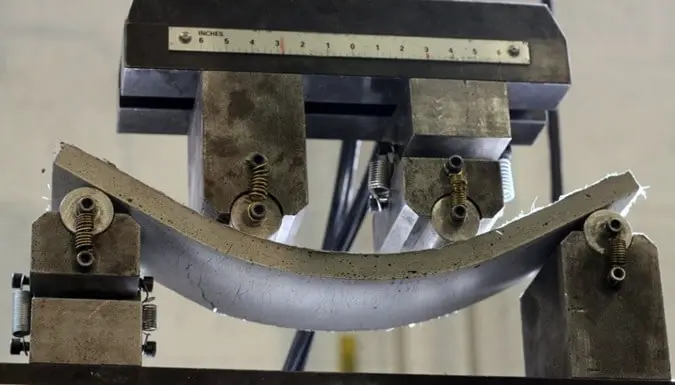
Most modern homes and offices use ductile design without anyone realizing it. Steel bars in concrete twist instead of snapping, like a wire coat hanger bent back and forth. This lets walls flex under side-to-side pushes from quakes.
Engineers pick key spots, like corners or beams, to take the main hits. These act as fuses, soaking up energy so the rest stays strong. Shear walls or braced frames spread forces evenly across floors.
In places like California or Japan, this shows up in strip malls and apartments. Codes demand it now, so new builds handle shakes twice as strongly as old ones. Homeowners save on insurance, and lives stay protected in routine structures.
Dampers and Mass: Top-End Helpers

High-rises borrow from everyday tech with tuned mass dampers, but smaller versions fit offices or condos. Water tanks or heavy blocks up top slosh against the sway, cancelling shakes like noise-cancelling headphones. Hydraulic braces in frames do the same lower down.
These add little to the costs for mid-sized buildings we use daily. During the 2011 Japan quake, damped structures wobbled less, letting workers evacuate calmly. It’s human ingenuity at work, turning physics into peace of mind.
Retrofits slide them into existing spots, like atop parking garages. No need for full teardowns. Results prove steady: less damage means quicker reopening for businesses and schools.
Seismic Cloaking: Hidden Shields
A fresh idea called seismic cloaking changes the soil around buildings to steer waves away. Think of it as an invisible fence that bends quake energy around homes or stores, like water flowing past a rock. Engineers tweak ground materials to redirect forces before they hit foundations.
Tests show promise for neighbourhoods with row houses or shops. It protects clusters without altering their looks. Costs drop as tech improves, making it viable for suburbs in shaky zones.
Combined with other methods, cloaking boosts safety for everyday life. Kids play more safely near schools; families gather without worry. It’s engineering that whispers protection.
Real-Life Wins and Next Steps
These tools shine in real quakes. Mexico City’s 1985 lessons pushed base isolation into hospitals and homes. New Zealand’s systems rocked through big ones with few collapses. Every day, structures now stand tall where old ones fell.
Codes worldwide tighten, blending these into standard builds. Costs blend in over time, as safer homes last longer. Engineers keep testing, eyeing cheaper materials for global reach.
The human side drives it: families rebuilt after losses, pushing for better. Today, your local grocery or clinic likely hides quake smarts. It turns dread into confidence, one steady building at a time.