When a building changes the way people live, it becomes more than a structure. It becomes a sign that design can serve a larger purpose, and that idea sits at the center of MASS Design Group, also known as Model of Architecture Serving Society.
A Design Firm With A Social Mission
Not every architecture firm begins with the same goal. Many firms focus on creating visually striking buildings, commercial developments, or luxury spaces that reflect a client’s brand or lifestyle. MASS Design Group took a different path from the very beginning. Instead of asking only how a building should look, the organization asks how a building can improve the lives of the people who use it. Founded in 2008, Model of Architecture Serving Society (MASS) is a nonprofit architecture and design organization that believes design should create positive social change. The organization’s name clearly reflects its mission, placing service to society at the heart of every project. Over the years, this purpose-driven approach has helped MASS become one of the most respected names among interior and architecture companies working in healthcare, education, housing, public spaces, and community development.
Unlike many traditional design firms, MASS combines architecture with research, engineering, landscape architecture, construction, advocacy, and education. This multidisciplinary approach allows the organization to understand the challenges facing a community before designing solutions that respond to local needs. Rather than applying the same ideas everywhere, the team studies culture, climate, available materials, and the daily experiences of the people who will use each space. This philosophy has helped the organization build projects that are both practical and meaningful. Instead of viewing architecture as an isolated profession, MASS treats it as a way to improve health, strengthen communities, and create environments where people can thrive.
Building Communities Instead of Just Buildings
Architecture has the power to influence nearly every part of daily life. The design of a school can affect how children learn. A hospital can support better patient care through thoughtful planning. Public buildings can encourage people to connect with one another and strengthen a sense of belonging. MASS Design Group believes these outcomes are just as important as the appearance of a building. The organization focuses on designing spaces that respond to real social challenges. Many of its projects serve communities that have traditionally received less attention from the design industry. By working closely with local residents, public institutions, and nonprofit organizations, MASS develops solutions that reflect the needs of the people who will use the spaces every day.
This collaborative process has become one of the organization’s defining strengths. Instead of presenting architecture as a finished product created only by designers, MASS encourages dialogue throughout the planning and design process. Local knowledge often shapes important decisions, helping projects become more useful, sustainable, and connected to their surroundings. Another feature that sets MASS apart is its commitment to research. The organization studies how buildings perform after they are completed and uses those findings to improve future projects. This ongoing learning process allows the team to refine its work while contributing valuable knowledge to the wider architecture profession.
Alan Ricks and the Leadership Behind MASS
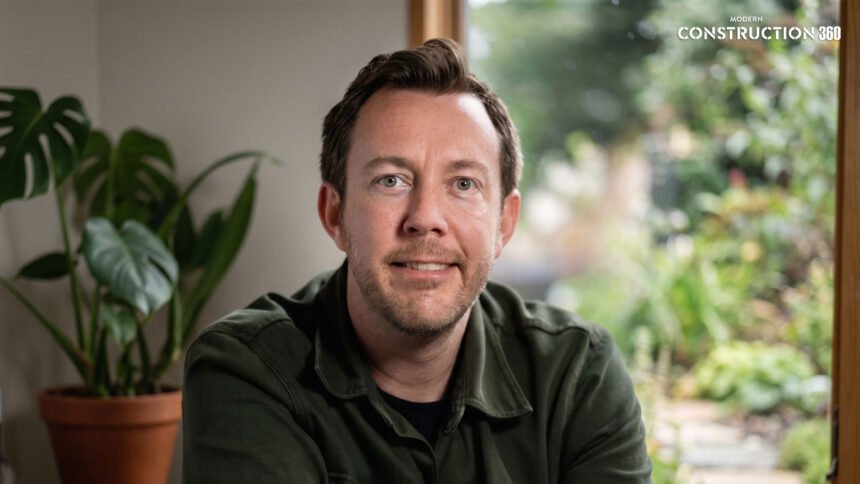
The vision behind MASS Design Group has been shaped by its founding leadership, including Alan Ricks, who serves as Founding Principal and Co-Executive Director. Since co-founding the organization in 2008, Ricks has played an important role in guiding its design philosophy and long-term mission. His leadership goes beyond overseeing architectural projects. He has helped build an organization where architects, engineers, landscape designers, researchers, builders, writers, and educators work together to solve complex social challenges through design. This collaborative culture has allowed MASS to expand its work across multiple countries while remaining focused on its original mission of serving communities.
Alan Ricks earned a Bachelor of Arts from Colorado College before completing a Master of Architecture at the Harvard Graduate School of Design. His academic background combined liberal arts with professional architectural education, giving him a broad understanding of how design connects with history, culture, public health, and social development.
Throughout his career, Ricks has promoted the idea that architecture should improve people’s quality of life rather than simply produce attractive buildings. He has also contributed to architectural education through teaching and public speaking, sharing the lessons learned from MASS projects with students and professionals around the world. Under his leadership, the organization has grown from a small nonprofit practice into an internationally recognized design organization known for combining architecture with research and community engagement. Rather than pursuing growth for its own sake, Ricks has helped ensure that the organization’s mission remains central to every project.
Design Guided by Research and Local Knowledge
One of the defining characteristics of MASS Design Group is its emphasis on research. Before beginning a project, the organization studies the local environment, community needs, and cultural traditions. This information helps the design team create buildings that respond to their surroundings instead of following a standard formula. The organization also believes that learning should continue after construction ends. By evaluating completed projects and gathering feedback from the people who use them, MASS develops new ideas that can improve future work. This process has made research an essential part of its architectural practice rather than an activity that happens separately from design.
Another important aspect of the organization’s work is the use of local materials and local skills whenever possible. This approach not only supports regional economies but also helps create buildings that fit naturally within their surroundings. It also encourages long-term maintenance by using construction methods and materials that communities can continue to manage over time. This combination of research, collaboration, and local knowledge has helped MASS develop projects that remain useful long after construction is finished.
Projects That Reflect the Organization’s Mission
The work of MASS Design Group covers a wide range of building types, but each project reflects the organization’s belief that architecture should improve people’s everyday lives. One of the organization’s best-known early projects is Butaro District Hospital in Rwanda. Developed in partnership with Partners In Health and the Rwanda Ministry of Health, the hospital introduced design strategies that supported infection control, natural ventilation, and patient well-being. The project attracted international attention because it demonstrated how thoughtful architecture could contribute to better healthcare outcomes while responding to local environmental conditions.
Healthcare continues to be an important area of work for the organization, but its portfolio extends well beyond hospitals. MASS has also designed schools, housing developments, memorials, museums, community centers, and public buildings that encourage social connection and long-term resilience.
Among its notable projects is the African Leadership University campus in Kigali, Rwanda, which reflects the organization’s commitment to creating educational spaces that support learning and collaboration. The organization has also worked on memorial and cultural projects that preserve history while creating places for public reflection. Across these diverse projects, a common theme remains clear. Every design begins with people. Instead of focusing only on architectural style, MASS works to understand how a building can strengthen communities, improve public services, and create healthier environments for future generations.
Awards and Recognition That Reflect Its Impact
MASS Design Group has earned international recognition for proving that architecture can improve lives while meeting high standards of design. Unlike many awards that celebrate only the appearance of buildings, several honors received by the organization recognize its commitment to public service, innovation, and community impact. In 2017, MASS Design Group received the National Design Award for Architecture from the Cooper Hewitt, Smithsonian Design Museum. This prestigious award recognized the organization’s unique approach to architecture and its ability to use design as a tool for solving social challenges. The recognition placed MASS among the leading design practices in the United States and highlighted the growing importance of socially responsible architecture.
Another important milestone came in 2021, when the University of Pennsylvania Stuart Weitzman School of Design presented MASS Design Group with the Kanter Tritsch Medal in Architecture. The award honors architects whose work has made a significant contribution to the built environment. For MASS, it recognized years of work that combined thoughtful design with research, education, and community partnership.
The organization received another major honor in 2022 when the American Institute of Architects (AIA) presented it with the AIA Architecture Firm Award. This is the highest award the institute gives to an architecture practice and recognizes firms that have consistently produced distinguished work while making a lasting contribution to the profession. Receiving this award confirmed that MASS had become a respected leader not only for its projects but also for the values it brings to architecture. The organization’s work has also gained recognition beyond traditional architectural institutions. In 2020, The Wall Street Journal Magazine named MASS Design Group Architecture Innovator of the Year, acknowledging its efforts to rethink how architecture can respond to public health, education, and community development.
Alongside these organizational achievements, Alan Ricks has received recognition for his contribution to architecture and design leadership. He was named an International Fellow of the Royal Institute of British Architects (RIBA), an honor that recognizes architects who have made significant contributions to the profession outside the United Kingdom. These verified awards demonstrate that MASS Design Group has earned respect not only for the quality of its buildings but also for the positive impact those buildings have on the communities they serve.
Growing as a Nonprofit Organization
Unlike many well-known architecture firms, MASS Design Group does not operate as a privately owned commercial company backed by venture capital investors. It is registered as a nonprofit organization, allowing it to pursue projects that place public benefit at the center of its mission. Because of this structure, there is no verified record of venture capital funding rounds involving MASS Design Group. Instead, the organization supports its work through professional design services, grants, philanthropic partnerships, charitable contributions, and collaborations with governments, educational institutions, healthcare organizations, and nonprofit partners.
This operating model gives MASS the flexibility to work on projects that might not attract traditional commercial investment but still create meaningful social value. It also allows the organization to continue investing in research, education, and community engagement alongside architectural practice. There is also no verified public record of a merger or acquisition involving MASS Design Group. Since its founding in 2008, the organization has continued to grow independently while expanding its international presence, research programs, and multidisciplinary team.
MASS Design Group has helped reshape conversations about the role of architecture in society. Its work demonstrates that successful buildings should not only meet technical and aesthetic standards but should also improve health, support education, strengthen communities, and respond to environmental conditions. The organization encourages architects to think beyond the physical structure of a building and consider the long-term experience of the people who use it. This philosophy has influenced universities, public institutions, healthcare organizations, and design professionals around the world.
Another reason for the organization’s growing influence is its willingness to share knowledge. Through research publications, exhibitions, lectures, and academic partnerships, MASS contributes to discussions about public health, sustainability, equity, and community-centered design. These efforts allow lessons learned from one project to benefit future projects in different parts of the world. As cities continue to face challenges related to climate change, affordable housing, public health, and urban growth, the ideas promoted by MASS remain highly relevant. The organization continues to show that architecture can play an important role in creating stronger and more resilient communities.
A Lasting Legacy Built on Service
More than a decade after its founding, MASS Design Group continues to demonstrate that architecture can be both beautiful and deeply meaningful. Its projects show that thoughtful design has the power to improve healthcare, strengthen education, preserve history, and create places where communities can flourish. The leadership of Alan Ricks and his fellow founders has been central to this journey. Their commitment to combining architecture with research, collaboration, and public service has helped build an organization that stands apart from many traditional design firms. Rather than measuring success only by the size of a portfolio or the number of commercial projects completed, MASS measures success by the positive difference its work makes in people’s lives.
The organization’s continued growth also proves that mission-driven architecture can achieve international recognition without losing sight of its founding purpose. By working across disciplines and partnering closely with communities, MASS has created a model that many architects and designers now look to for inspiration. As the architecture and interior design industry continues to evolve, organizations like MASS Design Group remind us that the most valuable buildings are often those that quietly improve everyday life. They show that good design is not only about creating impressive spaces but also about creating opportunities, supporting well-being, and building stronger communities for generations to come.
At ModernConstruction360, we continue to follow organizations that are shaping the future of the built environment through innovation, sustainability, and meaningful design. MASS Design Group stands out as a remarkable example of how architecture can serve society while maintaining the highest standards of creativity, research, and professional excellence.