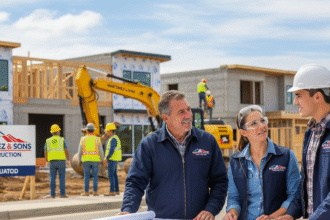
US construction spending surged in recent months, reaching its highest point since the onset of the Great Recession in 2007. In October 2025, construction expenditures climbed to an annualized rate exceeding $1.1 trillion, marking a 1 per cent increase from the previous month. This milestone reflects growing activity across both residential and federal sectors, driven by robust demand for new housing and renewed government infrastructure investment.
Housing Market Fuels Growth
Residential construction played a significant role in this spending upswing. Both single-family homes and apartment projects rose by 1 percent in October, returning to levels last seen before the 2008 financial crisis. This increase stems partly from changing housing preferences, more Americans continue to rent apartments longer rather than buy homes, resulting in a nearly 28 percent annual surge in apartment and condominium construction.
Simultaneously, lower mortgage rates combined with steady employment gains boosted sales of newly built homes by over 15 percent year-to-date compared with 2024. Construction spending on single-family homes alone was up 1.6 percent in October and 11.4 percent over the past year, reflecting this revived demand.
Government Infrastructure Investment
Federal, state, and local governments are also investing heavily in infrastructure, leveraging higher tax revenues to fund construction projects. Public spending on schools, roads, and other infrastructure rose 1.4 percent in October, reaching the highest level seen in five years. Notably, federal government construction surged by 19.2 percent, its largest gain in nearly two decades. This uptick supports broader efforts to upgrade public facilities and transportation networks, aligning with federal infrastructure initiatives.
Trends and Broader Context
The construction sector’s growth over the past year has been marked by a 13 percent increase in total spending. This jump reflects not only residential and federal investment but also more modest gains in manufacturing construction, up 3 percent in October. While public school and highway projects climbed steadily, other nonresidential segments have shown varied trends, with some categories experiencing slight declines or slower growth.
Despite economic uncertainties and fluctuating interest rates, the construction industry’s resilience is evident. The mixed dynamics in residential versus commercial projects illustrate ongoing adjustments to market demand and financing conditions. Industry analysts emphasize that while some nonresidential construction sectors face challenges, overall government and residential investments continue to support expansion.
October 2025 marked a significant milestone for the US construction sector, hitting an eight-year spending high fueled by robust residential building and a surge in federal infrastructure projects. The housing market’s evolving patterns and government infrastructure commitments are key drivers behind this growth, signalling a potentially sustained upward trajectory for the industry’s economic contribution.
As the sector adapts to changing market conditions, continued investment in both housing and public projects suggests strength amid broader economic shifts.US Construction Spending Hits Highest Level in 8 Years.