Most addresses don’t come with a timestamp on their importance. You either see the value or you don’t, and by the time everyone agrees it was worth something, the moment has passed.
Then there’s 1600 Pennsylvania Avenue.
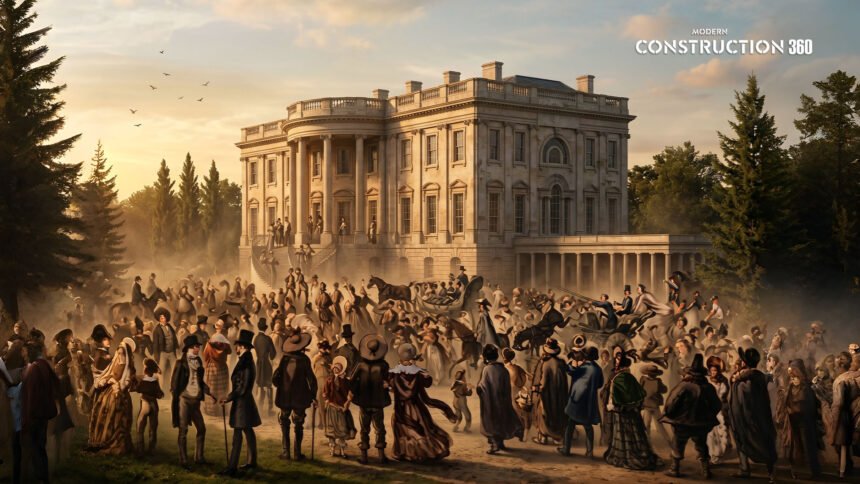
The White House ownership history isn’t recorded in MLS listings or county deed books. It’s recorded in the public record of a nation, dated, documented, and impossible to dispute. And when you look at it through a real estate lens rather than a political one, what you find isn’t a trophy property frozen in time. You find something rarer: a single asset that has passed through more than five distinct stewards since 1969, each one leaving a mark, none of them owning it outright.
That’s a 55-year case study most investors never think to open.
Who Really Owns the White House?
The White House is not privately owned. It is held by the U.S. federal government, which means no president has ever held a deed to the property. What shifts with each administration is operational control: who runs it, how it’s used, and what priorities shape its function for the next four to eight years.
In that sense, each presidency functions less like an ownership transfer and more like a long-term lease with improvement rights. The building stays. The strategy changes.
1969–1974: Nixon and the First Transfer
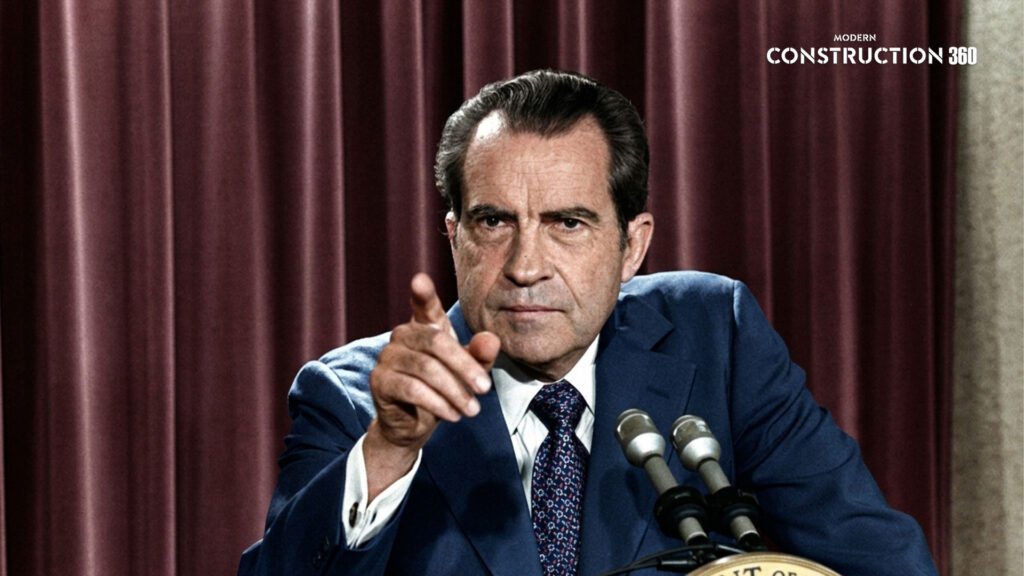
When Richard Nixon assumed control in 1969, the White House was already over 175 years old, a working historic structure in the middle of one of the world’s most scrutinized cities.
Nixon’s tenure wasn’t about transformation. It was about inheriting an institution already well into its story and operating within its constraints. The property functioned simultaneously as a private residence, an executive office, and a symbol of national continuity, three competing use cases packed into one address.
What ended his period of control wasn’t a market cycle or a lease expiration. He resigned in 1974. And just like that, the keys changed hands.
1974 -1981: Ford and Carter – Holding the Line
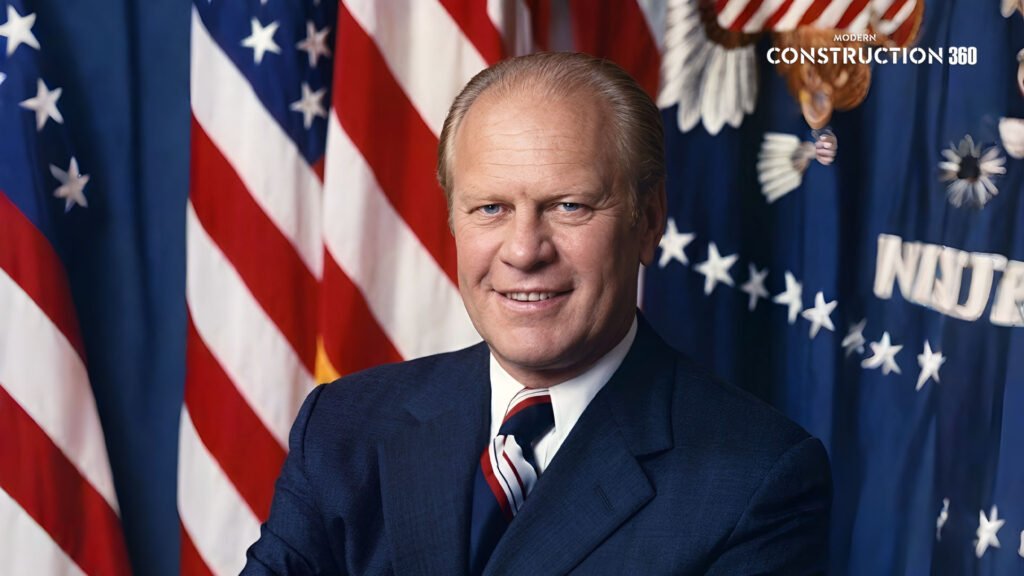
Gerald Ford stepped into that transfer under unusual circumstances. There was no election, no mandate, no campaign promise about what the property would become. His roughly two and a half years were defined by continuity, keeping the asset functional and stable during a moment when the institution itself needed steadying.
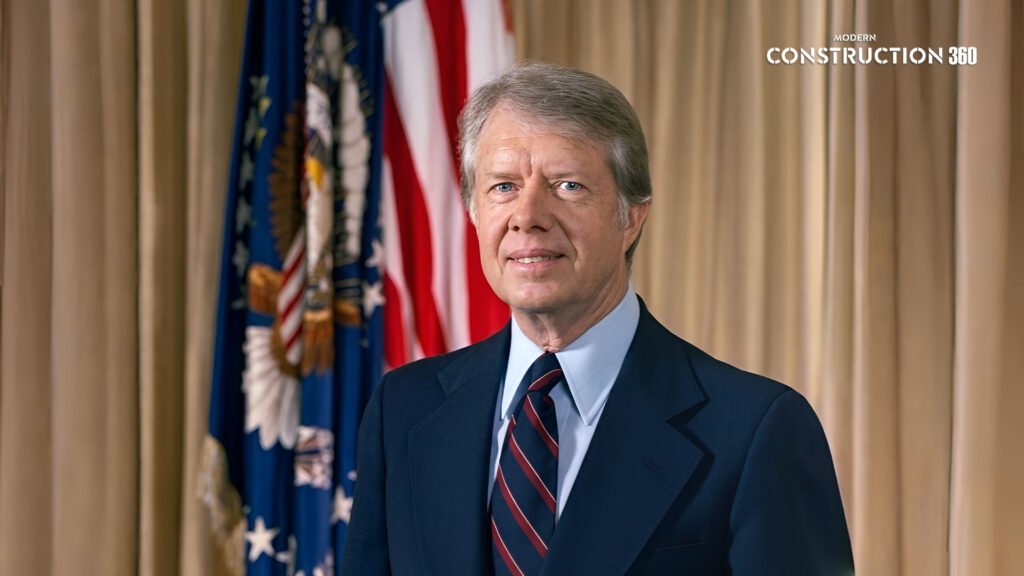
Jimmy Carter followed in 1977, and his imprint was quieter than most. But external pressure told a different story. The energy crisis of the late 1970s forced property owners across the country to make functional adjustments, and the White House was no exception. Efficiency upgrades, energy-conscious changes, operational tweaks. Nothing dramatic. But nothing is ever just cosmetic when the pressure behind it is real.
That’s a pattern every property owner eventually learns: the building doesn’t care about the economy. The economy shapes what the building becomes.
1981–1993: Reagan and Bush – The Capital Improvement Era
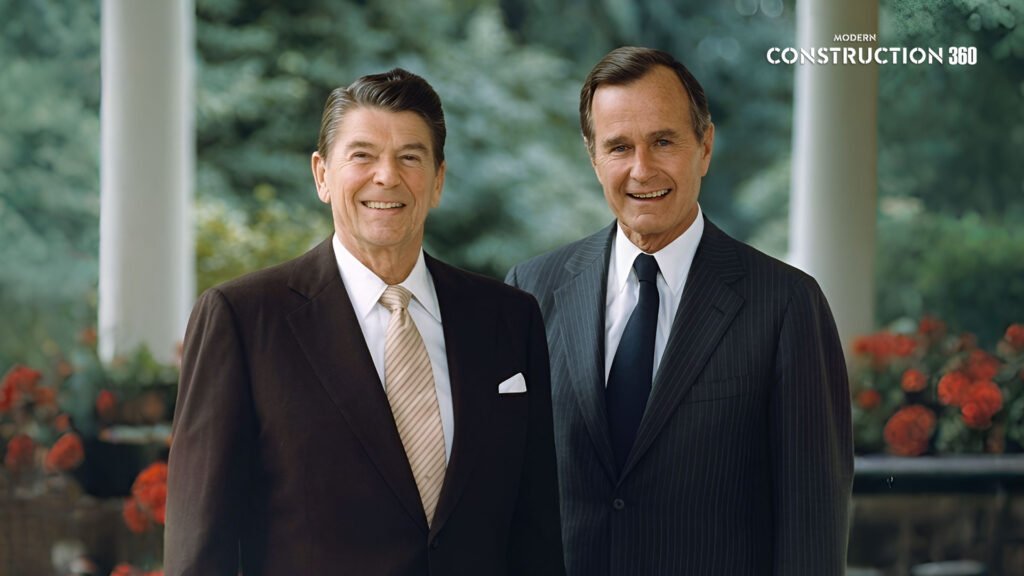
Ronald Reagan’s eight years looked, from the outside, like business as usual. Internally, they represented something closer to what developers call a capital improvement phase, technological upgrades, structural maintenance, and enhanced security infrastructure quietly layered into an aging asset.
This is what responsible stewardship of a historic property actually looks like. Not demolition. Not reinvention. The careful, unglamorous work of bringing a building’s systems forward without compromising what makes it worth preserving.
George H.W. Bush continued in that vein from 1989 to 1993. By the time he left, the White House had quietly crossed a threshold, from historic residence to highly optimized operational headquarters, balancing security, symbolism, and function in roughly equal measure.
1993–2009: Clinton, Bush, and the Two Biggest Shifts
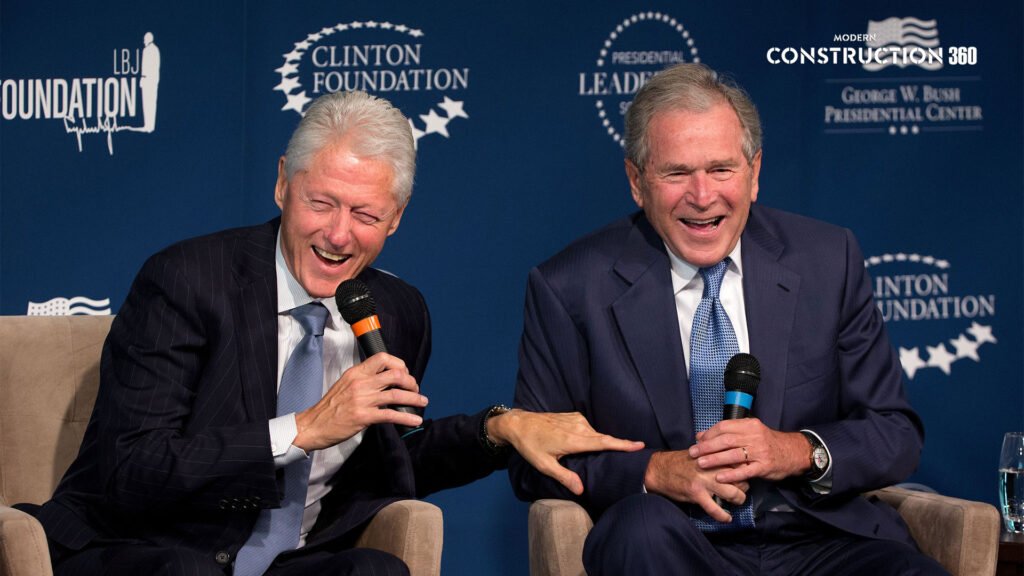
Bill Clinton’s presidency landed at a pivot point, not just politically, but technologically. The groundwork had actually been laid under Carter, who in 1978 installed the White House’s first computers, a Hewlett-Packard 3000 and an early laser printer. Clinton built the internet-era layer on top of that foundation: a White House website launched in 1994, a 1996 executive order pushing all federal agencies onto the internet, and a communications infrastructure that would have been unrecognizable to any previous administration.
It mirrored what was happening across commercial real estate nationwide. Buildings that ignored the technological shift fell behind. Buildings that integrated it became more valuable, more functional, and more relevant.
Then came September 11, 2001.
What followed under George W. Bush was one of the most significant functional transformations in the property’s modern history. Security infrastructure expanded in ways that reshaped not just the building but the surrounding blocks. Access protocols changed. The perimeter changed. The relationship between the property and the public space around it changed permanently.
This is the clearest example in the White House ownership history of what external events can do to a property’s function in a single moment: the use case shifted, and everything else had to follow.
2009 – Present: Modernization Never Stops
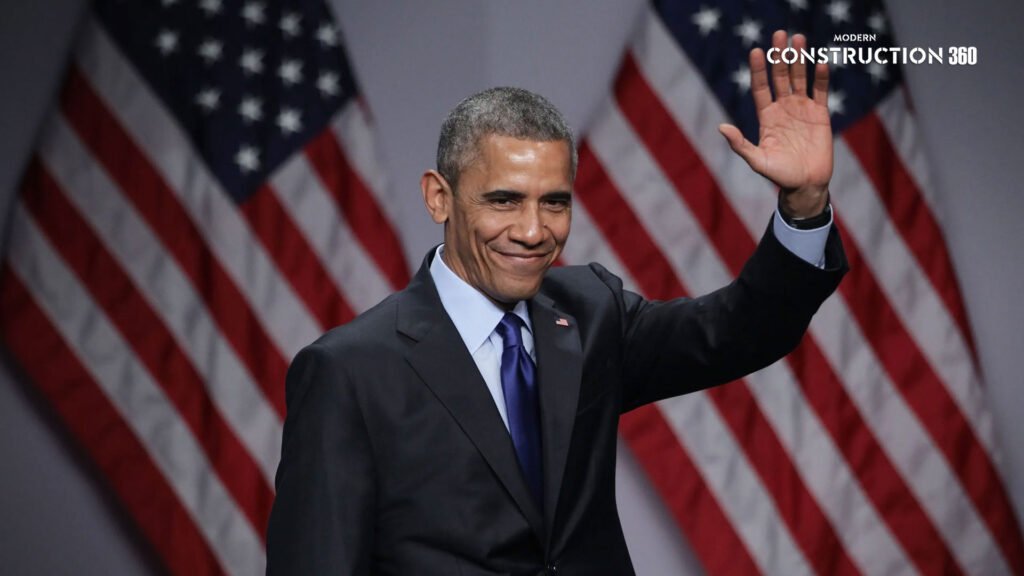
Barack Obama’s administration brought a different kind of update: livability and sustainability. Energy efficiency improvements, interior modernization, and continued technological integration. Even a 200-year-old building has to meet contemporary standards, or it stops functioning at the level its occupants require.
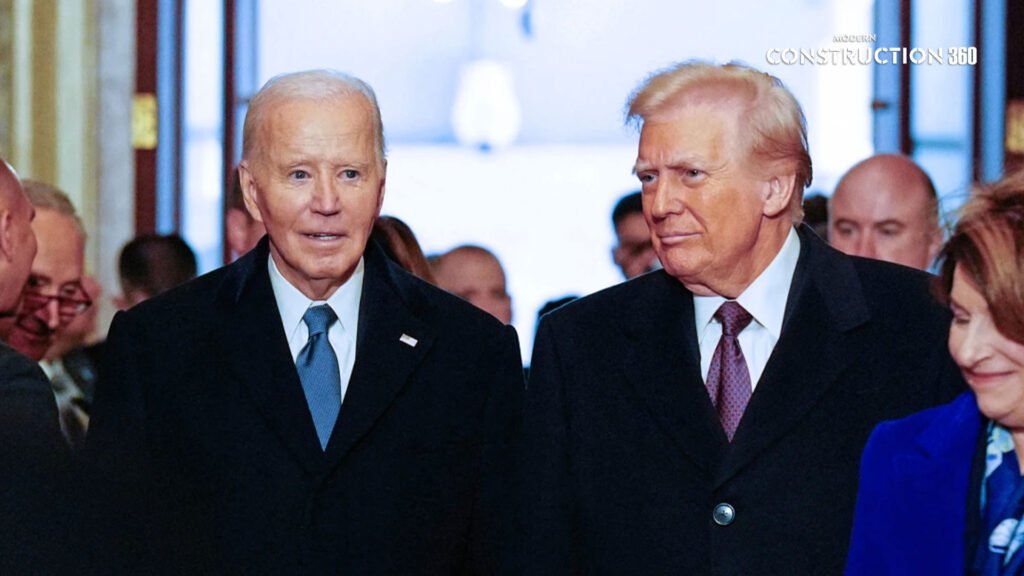
The administrations that followed, Donald Trump and Joe Biden, continued operating within the same durable framework. The structure is constant. The function evolves. The stewardship changes every four to eight years.
That rhythm hasn’t broken once since 1969.
What the White House Ownership History Actually Teaches Us About Real Estate
Strip away the address, and what you have is a property case study that most real estate professionals would never think to examine. But the principles it illustrates are the same ones that determine whether any asset holds value across decades.
The Asset Stays. The Operators Change.
The building at 1600 Pennsylvania Avenue has not moved. What has changed, repeatedly, systematically, is who controls it, how they use it, and what they prioritize. That’s not unique to government property. It describes every commercial asset with a long enough history.
Value Is Always Contextual
The White House isn’t valuable because of square footage or lot size. It’s valuable because of its location, function, and the weight of its historical context. Every one of those factors applies to real estate at any scale. A property’s value is never just about what it is; it’s about what it means within its context.
Every Steward Leaves a Layer
No single administration defined what the White House became. Each one added something: an upgrade, an adjustment, a strategic change driven by the pressures of its moment. Real estate value is cumulative that way. What makes an asset worth holding isn’t one dramatic improvement; it’s the compound effect of every decision made over time.
Outside Forces Always Reshape the Asset
Energy crises. Security threats. Technological revolutions. Every major external shift in the White House ownership history produced a corresponding change in how the property functioned. That’s not a political observation, it’s a real estate one. The same forces reshape residential land, commercial buildings, and institutional assets. The property that survives them is the one whose stewards paid attention.
The 55-Year Lesson
This isn’t a political timeline dressed up as a property story.
It’s a property story that happens to have played out at the most documented address in the world, which makes it more useful, not less. Every transition is dated. Every upgrade is on record. Every external pressure that reshaped the asset is part of the public record.
Most real estate stories happen quietly, in suburbs and overlooked parcels and secondary markets where nobody’s watching. The principles are identical. The visibility just isn’t there.
One address. Multiple stewards. Fifty-five years of layered decisions.
Whether it’s a quiet plot somewhere in Texas or the building every head of state in the world recognizes on sight, the land doesn’t change. The story built on top of it does. And the story is what determines what it’s ultimately worth.