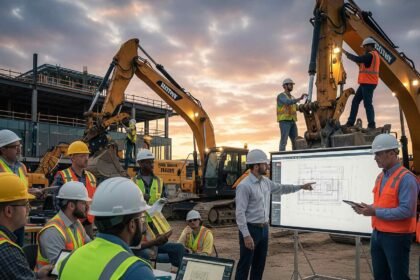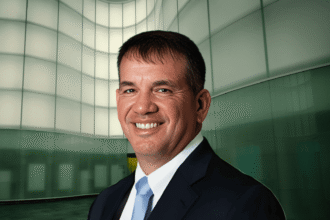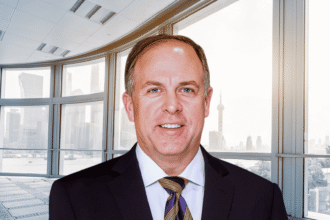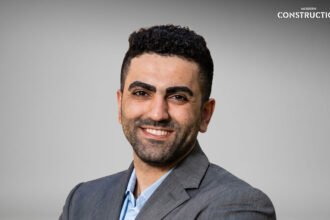
Long before sustainability became a priority for governments, investors, and property developers, a small engineering consultancy in the United Kingdom believed that buildings could perform better while placing less pressure on the environment. That belief became the foundation of Cundall, a company that has spent nearly five decades helping shape energy-efficient, low-carbon buildings across the world.
Since its establishment in 1976, Cundall has grown from a British building services engineering consultancy into an international multidisciplinary practice. Rather than focusing only on engineering calculations, the company works with architects, developers, governments, and businesses to improve the environmental performance of buildings from the earliest design stage. Its engineers and consultants help clients reduce energy use, lower carbon emissions, improve indoor environments, and create buildings that remain efficient throughout their lifecycle.
As the construction industry faces increasing pressure to meet climate goals, Cundall’s long-term commitment to sustainable engineering has positioned the company as one of the established consultancies supporting greener development across multiple sectors.
Building a Strong Foundation Since 1976
Cundall was founded in 1976 in Newcastle upon Tyne, England, as a building services engineering consultancy. The company gradually expanded its expertise beyond mechanical and electrical engineering, adding specialist disciplines including sustainability consulting, structural engineering, acoustics, lighting design, fire engineering, façade engineering, vertical transportation, security consultancy, environmental design, and digital engineering.
Unlike many engineering firms that have expanded through mergers or acquisitions, Cundall has developed its business primarily through organic growth. Today, the consultancy remains independently owned through a partnership model, allowing its leadership to focus on long-term technical excellence, employee development, and client relationships.
In 2026, as the company celebrated its 50th anniversary, Cundall reported more than 1,300 professionals working across 29 locations worldwide. During the previous four years, it strengthened its international presence by opening offices in Saudi Arabia, Germany, India, Malaysia, and the Philippines. These new locations have expanded the firm’s ability to support clients in rapidly developing construction markets while maintaining consistent engineering standards across its global operations.
Expanding Engineering Expertise Across Multiple Sectors
Over the years, Cundall has built experience across a wide range of industries. Its teams work on commercial offices, residential developments, airports, hospitals, universities, hotels, laboratories, sports venues, transport infrastructure, mixed-use developments, and cultural institutions.
The company follows a multidisciplinary approach that brings together engineers, sustainability specialists, acousticians, lighting designers, structural engineers, fire engineers, and digital consultants from the earliest stages of a project. This collaboration allows clients to evaluate environmental performance, operational efficiency, occupant wellbeing, and long-term maintenance before construction begins.
Instead of treating sustainability as an additional service, Cundall integrates environmental thinking into every phase of design. This approach enables project teams to balance architectural ambition with energy efficiency, carbon reduction, and practical engineering solutions.
Sustainability Drives Every Engineering Decision
The built environment accounts for a significant share of global carbon emissions, making engineering decisions increasingly important in achieving international climate targets. Cundall has responded by placing sustainability at the centre of its business strategy rather than treating it as a separate consulting service.
The consultancy supports clients in designing buildings that consume less energy, produce lower operational emissions, improve indoor environmental quality, and use construction materials more efficiently. Its specialists also advise on environmental certifications, energy modelling, building performance, climate resilience, daylight analysis, and embodied carbon reduction.
Beyond project delivery, Cundall regularly publishes research papers, technical guidance, and industry insights that share practical knowledge on sustainable engineering. These publications reflect the company’s wider commitment to improving environmental performance across the construction industry.
Zero Carbon Design 2030 Shapes the Company’s Future
In 2023, Cundall introduced Zero Carbon Design 2030, a company-wide programme that aims to ensure every project is designed to meet the consultancy’s zero-carbon design criteria by 2030. The initiative focuses on reducing both operational carbon and embodied carbon. Operational carbon relates to the energy a building consumes throughout its lifetime, while embodied carbon comes from construction materials and the building process itself. By addressing both areas during the design phase, Cundall seeks to help clients reduce the total environmental impact of their developments before construction even begins.
Rather than limiting responsibility to sustainability specialists, Zero Carbon Design 2030 involves engineers, designers, and consultants across every office. The programme also includes technical guidance, staff training, and design tools that support lower-carbon engineering decisions throughout the business. For Cundall, the initiative represents more than an environmental target. It reflects a long-term commitment to designing buildings that remain efficient, resilient, and adaptable as climate expectations continue to evolve.
Landmark Projects Reflect Technical Capability
Cundall’s portfolio demonstrates how its engineering expertise has been applied to projects with very different technical requirements.
Among its best-known developments is One Hyde Park in London, where the consultancy delivered building services engineering for one of the United Kingdom’s most recognised luxury residential projects. The company also contributed engineering expertise to facilities associated with the London 2012 Olympic Games, supporting one of the country’s largest sporting infrastructure programmes.
Another notable project is the Royal Botanic Gardens, Kew, where engineering work required careful integration with one of the world’s most significant botanical heritage sites. Balancing modern building performance with heritage conservation presented a different challenge from commercial developments, highlighting the firm’s ability to adapt its engineering solutions to complex environments.
Cundall has also demonstrated measurable sustainability outcomes through projects such as Eden at New Bailey in Greater Manchester. According to the company, the office development became the first new-build office in the United Kingdom designed to achieve a 5.5-star NABERS Design Reviewed Target Rating. The project illustrates how engineering decisions can contribute to independently recognised building performance rather than relying solely on sustainability commitments.
After nearly fifty years of continuous growth, Cundall has developed into a global engineering consultancy that combines technical expertise with a strong focus on sustainable design. Its continued investment in multidisciplinary engineering, carbon reduction, and international expansion provides the foundation for the company’s next phase of growth as demand for greener buildings continues to increase.
Kevin Hayes Begins a New Chapter as Managing Partner
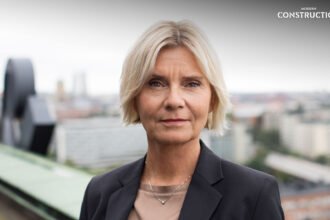
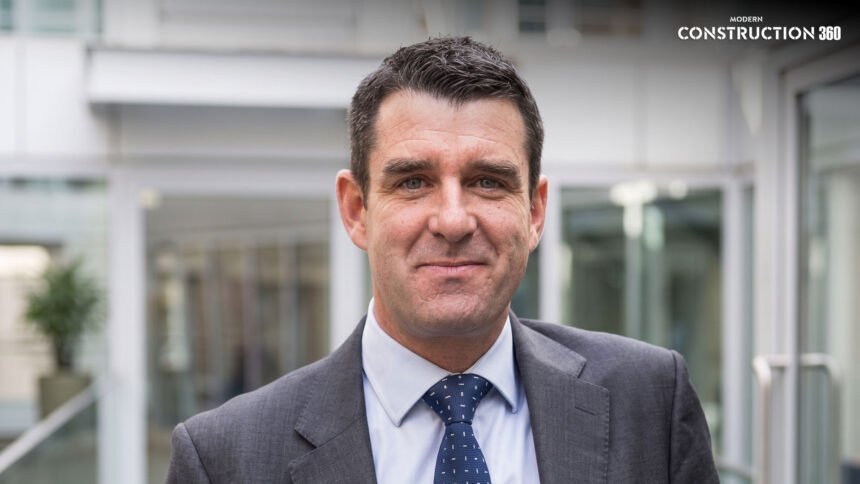
Cundall entered a new phase of leadership on 1 July 2026 when Kevin Hayes became Managing Partner, succeeding Carole O’Neil after a planned leadership transition. The appointment followed an internal election under the company’s partnership structure and marked the beginning of a four-year term.
Hayes is one of the company’s longest-serving leaders. He joined Cundall nearly three decades ago and became a Partner 15 years before taking on the role of Managing Partner. During that time, he helped guide the consultancy through a period of international growth while contributing to its technical and commercial development.
Before his appointment, Hayes led Cundall’s London office for around ten years and also served on the company’s Management Board, where he participated in decisions covering strategy, business development, and long-term growth.
Kevin Hayes’ Career and Contribution to Cundall
Kevin Hayes has built his career in building services engineering and has played an important role in expanding Cundall’s work with major corporate clients. He established and led the company’s Global Corporate Real Estate sector, including its workplace fit-out business, helping deliver engineering solutions for international organisations seeking high-performing and sustainable workplaces.
Throughout his career, Hayes has supported projects that combine technical performance with practical design solutions. His work has focused on creating buildings that meet client requirements while improving energy efficiency, occupant comfort, and operational performance.
As Managing Partner, Hayes has outlined priorities that include strengthening relationships with clients, investing in technical excellence, developing future engineering talent, and supporting continued international growth. He has also emphasised maintaining Cundall’s collaborative culture while building on the strategy developed during previous leadership.
A Partnership Model That Supports Long-Term Growth
One feature that distinguishes Cundall from many international engineering consultancies is its ownership structure. The company is 100% partner-owned, meaning it is owned and managed by its partners rather than external shareholders or private investors.
This structure allows the consultancy to focus on long-term business development, investment in technical capability, and employee growth instead of quarterly shareholder expectations. Leadership transitions also follow an internal election process, supporting continuity while allowing new leaders to shape future strategy.
Cundall has expanded primarily through organic growth rather than major acquisitions. Instead of purchasing other engineering firms, it has invested in developing specialist teams and opening new offices in strategic international markets. This approach has enabled the consultancy to maintain consistent technical standards while responding to increasing demand for sustainable engineering services.
Industry Recognition Built on Technical Excellence
Unlike many companies that make headlines through funding rounds or acquisitions, Cundall’s recognition comes largely from its engineering work and project achievements. Over the years, the consultancy has received industry recognition through respected construction and engineering awards. In 2025, it was named Construction Consultancy of the Year at the Construction News Awards. The company has also received recognition for specialist services, including Data Centre Consultancy of the Year and Security Consultancy of the Year at industry award programmes.
Individual projects have also earned independent recognition. For example, Eden at New Bailey attracted attention for its environmental performance and became the first new-build office in the United Kingdom designed to achieve a 5.5-star NABERS Design Reviewed Target Rating. Rather than relying solely on internal sustainability claims, projects such as Eden demonstrate performance measured against recognised third-party standards. These achievements reflect the consultancy’s emphasis on engineering quality, technical innovation, and measurable environmental outcomes.
Why Cundall Stands Out Among Green Building Companies
The global market for sustainable buildings continues to expand as governments introduce stricter environmental regulations and businesses work towards net-zero commitments. Within this changing landscape, Cundall has established itself as a consultancy that combines engineering expertise with practical sustainability solutions. Its multidisciplinary model enables specialists from different engineering fields to collaborate from the earliest stages of design. This integrated approach helps clients improve building performance while reducing energy use and carbon emissions throughout a project’s life cycle.
Another distinguishing feature is the company’s focus on measurable outcomes. Through initiatives such as Zero Carbon Design 2030 and projects designed to meet recognised environmental standards like NABERS, Cundall demonstrates sustainability through independently assessed performance rather than broad environmental claims. The consultancy also continues to contribute to the wider construction industry by publishing research and technical guidance on subjects including embodied carbon, climate resilience, building performance, and net-zero design. Sharing this knowledge supports industry-wide progress towards more sustainable construction practices.
Driving the Future of Sustainable Engineering
As cities continue to grow and climate targets become more demanding, engineering consultancies will play an increasingly important role in shaping the built environment. Demand for buildings that consume less energy, produce lower carbon emissions, and provide healthier spaces is expected to continue rising across both developed and emerging markets.
Cundall appears well positioned to respond to these challenges. Its investment in multidisciplinary engineering, international expansion, and carbon-focused design reflects the direction in which the construction industry is moving. Under Kevin Hayes’ leadership, the company aims to build on these strengths while continuing to support clients with technically advanced and environmentally responsible engineering solutions.
From its beginnings as a small engineering consultancy in Newcastle upon Tyne in 1976 to its position today as an international multidisciplinary practice, Cundall has demonstrated how engineering can contribute to more sustainable buildings and communities. Over nearly five decades, the company has expanded its global presence, strengthened its technical expertise, and placed sustainability at the centre of its business strategy.
Rather than pursuing rapid growth through acquisitions or relying on marketing claims, Cundall has built its reputation through long-term client relationships, specialist engineering knowledge, and measurable building performance. Initiatives such as Zero Carbon Design 2030, together with projects including One Hyde Park, the London 2012 Olympic developments, the Royal Botanic Gardens, Kew, and Eden at New Bailey, illustrate how the consultancy applies engineering to real-world sustainability challenges. As the construction sector continues its transition towards lower-carbon development, Cundall’s combination of technical expertise, collaborative working, and long-term environmental commitment places it among the consultancies helping shape the future of green building.