A building does more than provide shelter. It shapes how people learn, work, gather, and connect with their communities. The best buildings continue serving those purposes for decades while using resources responsibly and respecting the environment around them. Achieving that balance is not easy, yet some architecture firms have spent years proving that great design and sustainability can work together. Lord Aeck Sargent is one of them.
For more than 70 years, Lord Aeck Sargent has helped shape campuses, research facilities, public spaces, historic buildings, and community projects through a design approach rooted in responsiveness and long-term value. Rather than treating sustainability as a trend, the firm has built it into the way it approaches architecture. Its work reflects a belief that buildings should perform well, support the people who use them, and remain valuable long into the future.
Today, as governments, businesses, universities, and communities place greater emphasis on sustainable development, Lord Aeck Sargent stands out for its consistent commitment to preservation, adaptive reuse, environmental responsibility, and thoughtful design. Its record shows that green building is not only about reducing energy consumption. It is also about creating places that people care about enough to maintain, improve, and preserve.
Building a Reputation Through Responsive Design
Lord Aeck Sargent describes itself as an architecture and design firm with more than seven decades of responsive design experience. That philosophy has guided the company through changing architectural trends, economic cycles, and evolving environmental standards.
Responsive design begins with understanding the specific needs of a project, its users, and its location. Instead of applying the same solution everywhere, the firm develops designs that respond to local conditions, client goals, and community needs. This approach has allowed Lord Aeck Sargent to work across a wide range of sectors while maintaining a consistent focus on quality and sustainability. The firm’s portfolio includes higher education facilities, research laboratories, healthcare projects, cultural institutions, landscape architecture, historic preservation, and urban development. Across these areas, sustainability remains an important part of the design process.
Rather than focusing solely on new construction, Lord Aeck Sargent has built a reputation for improving existing buildings and extending their useful life. This approach aligns closely with modern sustainability goals because preserving and adapting structures often reduces waste, conserves resources, and lowers environmental impact compared with demolition and replacement. The firm’s emphasis on preservation and adaptive reuse demonstrates that environmental responsibility can begin with making better use of what already exists. In many cases, improving an existing building offers a practical way to reduce material consumption while maintaining the cultural and architectural value of a community.
Sustainability Shapes the Firm’s Work
Sustainability has become a major priority throughout the architecture and construction industries. Clients increasingly expect buildings to use resources efficiently, support occupant well-being, and perform effectively over time. Lord Aeck Sargent has consistently incorporated these goals into its projects.
The firm highlights sustainability, collaboration, and preservation as key parts of its work. Its projects often involve balancing environmental performance with design quality and long-term usability. This combination is especially important because sustainable buildings must continue meeting the needs of users long after construction is complete.
Many of the firm’s projects demonstrate how sustainability can be integrated into educational facilities, research environments, public buildings, and community spaces. Instead of treating environmental performance as a separate objective, Lord Aeck Sargent incorporates it into broader design decisions that influence how buildings function and evolve. The company’s work also reflects the growing understanding that sustainability extends beyond energy efficiency. Preserving historic structures, adapting existing facilities, and creating durable buildings can all contribute to environmental responsibility by reducing waste and extending the life of valuable assets. This broader view of sustainability has helped the firm remain relevant as the definition of green building continues to evolve.
Award-Winning Projects Reflect a Long-Term Commitment
One of the strongest indicators of Lord Aeck Sargent’s impact is its record of professional recognition. The firm’s official awards archive documents honors across architecture, preservation, sustainability, and design excellence. Among its most recognized projects is the Kendeda Building for Innovative Sustainable Design. The building has received attention from multiple organizations and appears prominently throughout the firm’s awards history. Its recognition reflects the project’s importance within conversations about sustainable architecture and high-performance building design.
Another notable achievement is the Award of Excellence for Sustainable Design presented at the Atlanta Design Awards for the Trees Atlanta Kendeda TreeHouse project. This recognition highlights the firm’s ability to combine environmental responsibility, community engagement, and architectural quality within a single project.
Lord Aeck Sargent’s awards archive also includes recognition through the Georgia Peach Green Building Awards, further demonstrating the firm’s commitment to sustainable design practices. Additional projects that have received recognition include the Gwinnett Environmental and Heritage Center and the Biodesign Institute at Arizona State University. These projects reflect the firm’s experience in developing facilities that support education, research, and environmental stewardship.
What makes these achievements particularly significant is their consistency. Rather than relying on a single landmark project, Lord Aeck Sargent has accumulated recognition across multiple building types and design disciplines. This long record suggests a sustained commitment to quality rather than isolated success. The firm’s accomplishments extend beyond individual projects. Its awards archive also includes recognition as one of Atlanta’s Best Places to Work. While not directly related to architecture, this distinction reflects the importance of workplace culture in supporting long-term design excellence. Successful projects often depend on collaboration among architects, planners, designers, and technical specialists, making a strong organizational culture an important asset.
Preservation and Adaptive Reuse Create Lasting Value
One area where Lord Aeck Sargent has made a particularly meaningful contribution is historic preservation and adaptive reuse. As cities grow and development pressures increase, communities often face difficult decisions about older buildings. Demolition can make way for new construction, but it can also erase history and generate substantial waste. Preservation and adaptive reuse provide an alternative path. Lord Aeck Sargent has worked on numerous projects that restore, rehabilitate, and repurpose existing structures. These projects allow buildings to serve modern needs while retaining architectural character and historical significance.
Adaptive reuse also supports sustainability objectives. Renovating an existing structure often requires fewer materials than constructing a new building from the ground up. By extending the life of existing assets, architects can reduce waste and conserve resources while delivering functional spaces for modern users. The firm’s continued focus on preservation demonstrates that sustainability is not limited to new technology or innovative materials. In many cases, protecting and improving existing buildings can deliver significant environmental benefits while strengthening connections between communities and their history.
Research and Educational Facilities Demand Specialized Expertise
Another defining aspect of Lord Aeck Sargent’s portfolio is its work in higher education and research environments.
Universities and research institutions often require highly specialized facilities that support teaching, collaboration, and scientific discovery. Designing these spaces involves complex technical requirements alongside expectations for efficiency, flexibility, and long-term performance. Research facilities present unique challenges because they must support sophisticated equipment, evolving technologies, and changing user needs. At the same time, clients increasingly seek buildings that operate efficiently and align with sustainability goals.
Lord Aeck Sargent has developed experience in addressing these challenges through projects that combine technical expertise with thoughtful design. The firm’s work in this area demonstrates how sustainable architecture can support innovation while remaining responsive to operational requirements.
Educational facilities present similar opportunities. Well-designed campus buildings can improve learning environments, encourage collaboration, and support institutional goals for environmental responsibility. Through its higher education projects, the firm has helped create spaces that serve both current and future generations of students.
President Joe Greco Helps Guide the Firm’s Vision
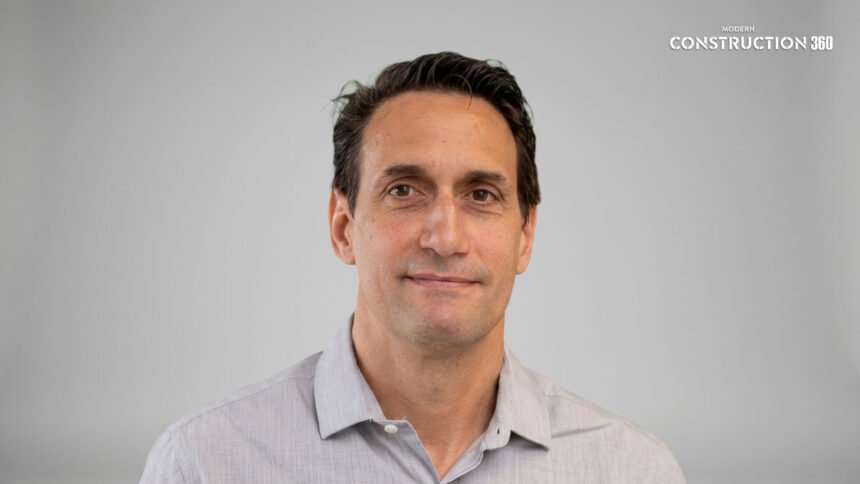
A significant part of Lord Aeck Sargent’s continued success can be attributed to the leadership of Joe Greco, who has served as President of the firm since 2010.
Greco brings a strong educational and professional background to the role. He earned a Bachelor of Science in Architecture with honors from the Georgia Institute of Technology before completing a Master of Architecture at Harvard University’s Graduate School of Design.
In addition to his academic credentials, Greco is a member of the American Institute of Architects and holds LEED Accredited Professional status. The LEED AP credential reflects expertise in sustainable design principles and green building practices, areas that align closely with the firm’s work. Throughout his tenure as president, Greco has remained actively involved in design leadership. Company information indicates that he works closely with project teams and design studio directors, helping guide projects from concept through completion.
His professional experience includes higher education, housing, and institutional architecture. These sectors increasingly require solutions that balance sustainability, functionality, durability, and user experience. Under his leadership, Lord Aeck Sargent has continued to strengthen its reputation for delivering projects that address these priorities. Greco’s leadership also reflects the collaborative culture that supports many of the firm’s achievements. Sustainable architecture often requires close coordination among architects, engineers, planners, consultants, and clients. His emphasis on teamwork and design excellence has helped maintain the firm’s focus on delivering thoughtful and enduring solutions.
A Lasting Example of Sustainable Design
The story of Lord Aeck Sargent illustrates how sustainability can become a lasting part of an organization’s identity rather than a temporary market trend. Through responsive design, preservation, adaptive reuse, and environmentally conscious architecture, the firm has demonstrated that responsible building practices can create value for both clients and communities. Its award-winning projects, long history of professional recognition, and commitment to thoughtful design show that sustainability involves much more than meeting technical standards. It requires understanding how buildings affect people, places, and resources over time.
More than seventy years after its founding, Lord Aeck Sargent continues to contribute to the evolving conversation about green building. Its work demonstrates that strong architecture can preserve history, support innovation, improve environmental performance, and create spaces that remain useful for generations. In an industry increasingly focused on sustainability, the firm’s experience offers an important lesson: lasting environmental impact often comes not from dramatic promises but from consistent design decisions made carefully over many years. That commitment has helped Lord Aeck Sargent build a reputation for architecture that serves both people and the planet.