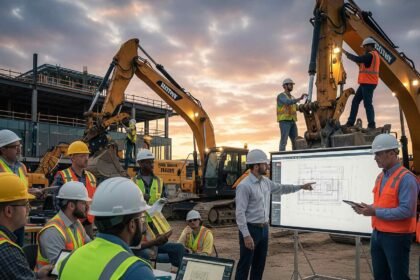
The future of every city begins long before construction crews arrive on site. It starts when engineers, architects, and planners decide how buildings will use energy, how people will travel, how water will be managed, and how communities will adapt to a changing climate. Those early decisions often determine whether a project will benefit both people and the environment for decades to come. Across Europe, Sweco has built its reputation by helping clients make those decisions wisely. Rather than simply designing buildings, the company works to create sustainable cities, resilient infrastructure, and healthier places to live. Through engineering expertise, architectural design, and environmental consulting, Sweco has become one of Europe’s largest architecture and engineering consultancies and an important contributor to the green building sector.
Sweco Combines Engineering and Sustainability
Founded in Sweden, Sweco provides architecture, engineering, environmental consulting, and technical advisory services across Europe. The company works with governments, businesses, developers, and public organizations on projects that range from commercial buildings and hospitals to transport systems, water infrastructure, renewable energy facilities, and urban development.
As of 2025, Sweco employs approximately 23,000 experts working across several European countries. Instead of acting as a construction contractor, the company supports projects during the planning, design, engineering, and consulting stages. This early involvement allows Sweco to help clients improve energy efficiency, reduce environmental impact, manage natural resources more responsibly, and create buildings and infrastructure that can perform well over the long term.
Its multidisciplinary approach allows architects, engineers, environmental specialists, and urban planners to work together from the beginning of a project. By combining different areas of expertise, the company helps clients develop practical solutions that balance environmental responsibility with technical performance and economic value.
Sweco Helps Shape Sustainable Cities
Green building has expanded far beyond designing energy-efficient structures. Today, sustainable development also considers transport, biodiversity, renewable energy, water management, climate resilience, and the overall quality of urban life. Sweco’s work reflects this broader understanding. The company supports projects that contribute to climate action, circular resource use, biodiversity, resilient infrastructure, and healthier neighbourhoods. Through its Urban Insight publications, Sweco shares research and practical recommendations on challenges facing modern cities, including climate adaptation, sustainable mobility, resilient communities, circular economy practices, and urban development.
This broader approach makes the company’s work especially relevant in today’s construction industry. Buildings are no longer judged only by how efficiently they operate. They are also evaluated on how they connect with surrounding infrastructure, reduce environmental impact, and improve the well-being of communities. Several projects demonstrate this integrated approach. Developments such as Kiruna Hospital in Sweden and Hjärup Station show how engineering, architecture, transport planning, and sustainability can work together to create facilities that support long-term environmental and social goals.
Sustainability Guides Everyday Decisions
Sweco has made sustainability a central part of its business strategy rather than treating it as a separate initiative. The company’s 2025 Annual Report outlines measurable environmental goals and publicly reports progress toward achieving them. One of Sweco’s long-term objectives is to achieve net-zero greenhouse gas emissions by 2040. As part of this strategy, the company also aims to significantly reduce emissions by 2030 while continuing to improve the environmental performance of its operations.
The company reported measurable progress during 2025. According to its Annual Report, Scope 1 and Scope 2 greenhouse gas emissions decreased by 34 percent compared with the baseline year. Renewable energy accounted for 44 percent of the company’s total energy use, while fossil-free vehicles represented 68 percent of its vehicle fleet.
Responsible business practices remain another important part of Sweco’s sustainability strategy. The company reported zero confirmed incidents of bribery, corruption, or human rights violations during both 2024 and 2025. Publishing these figures demonstrates that Sweco measures its own environmental and ethical performance while advising clients on sustainable development.
Independent Recognition Supports Sweco’s Sustainability Work
Independent recognition has also strengthened Sweco’s reputation in sustainable engineering and green building. Sweco Belgium received the EcoVadis Gold Medal for the third consecutive year, placing it among the top two percent of companies assessed by EcoVadis for sustainability performance. EcoVadis evaluates companies across environmental management, labour and human rights, ethics, and sustainable procurement, making the recognition a significant achievement.
The company has also earned recognition for its expertise in sustainable building certification. In the United Kingdom, Sweco was named BREEAM Assessor Company of the Year for the third time in 2017. BREEAM is one of the world’s best-known methods for assessing the environmental performance of buildings, and the award reflects Sweco’s long-standing experience in helping clients deliver more sustainable construction projects. These recognitions are based on independent assessments rather than company statements, giving additional credibility to Sweco’s sustainability efforts.
Sweco Expands Through Strategic Acquisitions
Unlike many fast-growing technology companies, Sweco has not relied on venture capital funding to expand. Instead, the company has followed a long-term strategy built around acquisitions. Over the past two decades, Sweco has completed more than 160 acquisitions across Europe. Each acquisition has helped strengthen the company’s technical expertise, geographic reach, and service offerings while allowing it to better support clients in local markets. This strategy continued during 2025. According to the company’s Annual Report, Sweco completed 13 acquisitions during the year, adding approximately SEK 2.1 billion in annual net sales.
Among the verified acquisitions completed or announced were Econsultancy in the Netherlands, Bureau Valstar-Simonis B.V. in the Netherlands, Frilling + Rolfs GmbH in Germany, and Projektengagemang through a recommended cash offer. These businesses added specialist engineering knowledge and expanded Sweco’s capabilities across several important markets. Rather than pursuing rapid expansion through external investment, Sweco has chosen steady growth by integrating established engineering and consulting firms into its existing business. This strategy has allowed the company to broaden its expertise while maintaining consistent service quality across Europe.
Strong Business Performance Supports Long-Term Growth
Sweco’s financial performance provides a solid foundation for its sustainability ambitions. According to the 2025 Annual Report, the company generated approximately SEK 31 billion in net sales while reporting an EBITA margin of 10.5 percent and EBITA growth of 12 percent. These results reflect continued demand for architecture, engineering, environmental consulting, and infrastructure advisory services throughout Europe. Strong financial performance also allows the company to continue investing in digital engineering tools, specialist expertise, and innovative design solutions that support clients working toward lower-carbon and more resilient developments.
More importantly, Sweco’s growth demonstrates that sustainability and commercial success can move together. As governments and businesses invest in climate adaptation, renewable energy, modern transport, and sustainable infrastructure, demand for integrated engineering services continues to grow. By combining technical expertise with measurable environmental goals, Sweco has positioned itself as a trusted partner for clients planning projects that must deliver both economic value and long-term sustainability.
Åsa Bergman Leads Sweco with Engineering Experience and Long-Term Vision
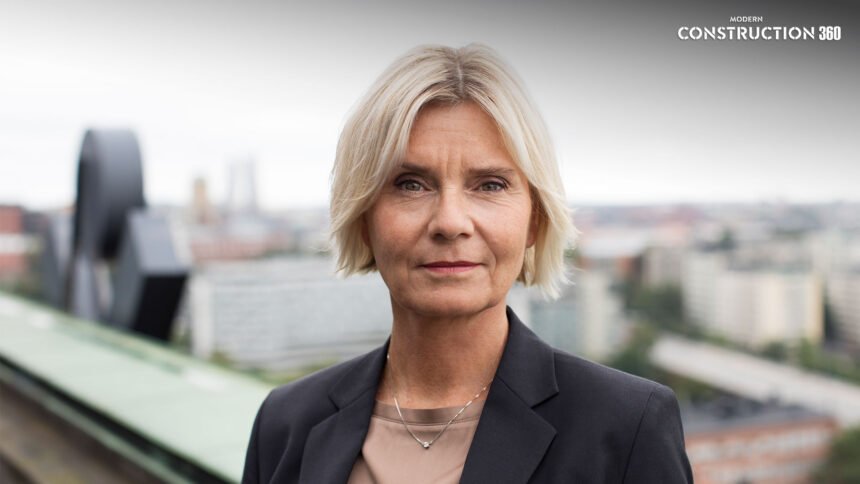
Behind Sweco’s continued growth is President and CEO Åsa Bergman, whose career reflects the company’s engineering-focused culture. Unlike many chief executives who join an organization from outside, Bergman built her career within Sweco and has spent decades working in different leadership roles across the business.
She earned a Master of Science in Civil Engineering from the Royal Institute of Technology (Kungliga Tekniska högskolan, KTH) in Stockholm, one of Sweden’s leading engineering universities. Her education gave her a strong technical foundation that has shaped her approach to leadership and decision-making. After completing her studies, Bergman joined Sweco and gradually took on greater responsibilities. During her career, she served as Regional Manager in northern Sweden before becoming Head of Sweco Management. In 2012, she was appointed Chief Executive Officer of Sweco Sweden, the company’s largest business area. Her success in that role led to her appointment as President and CEO of Sweco AB in 2018.
Her long experience inside the company has helped her understand both the technical and commercial sides of the business. During her time as CEO, Sweco has continued to expand through carefully selected acquisitions while maintaining its focus on sustainable engineering and profitable growth. Bergman has also emphasized the importance of engineering in solving climate-related challenges. In Sweco’s annual communications, she has highlighted how the company’s experts contribute to creating resilient cities, improving infrastructure, reducing environmental impact, and supporting the transition toward a more sustainable society. Under her leadership, sustainability has remained an important part of Sweco’s long-term business strategy rather than a separate initiative.
Sweco Supports Many Sectors That Drive Sustainable Development
Sweco’s work extends far beyond designing individual buildings. The company supports projects across several sectors that play an important role in reducing environmental impact and improving the quality of life for communities. Its specialists work on healthcare facilities, railway systems, public transport, industrial projects, renewable energy developments, water management, environmental services, and urban planning. Each of these areas contributes to sustainable development in different ways.
For example, modern hospitals can reduce energy consumption while creating healthier indoor environments for patients and staff. Railway projects encourage more sustainable transport by helping reduce dependence on private vehicles. Water management projects improve flood protection while supporting responsible use of natural resources. Urban planning helps cities become more resilient as they respond to population growth and climate change. Because Sweco combines architects, engineers, environmental consultants, and planners within one organization, clients receive integrated solutions instead of isolated recommendations. This multidisciplinary approach allows environmental, technical, and economic considerations to be addressed together throughout the planning process.
Research and Knowledge Sharing Strengthen Sweco’s Impact
Sweco does more than deliver consulting services. The company also contributes to discussions about the future of sustainable cities through research and knowledge sharing. Its Urban Insight publications examine practical solutions to some of the most important challenges facing European cities today. These reports explore topics such as climate adaptation, biodiversity, circular resource use, resilient infrastructure, healthy neighbourhoods, and sustainable mobility.
Rather than focusing only on completed projects, the reports encourage governments, businesses, developers, and planners to think about how cities can become more sustainable over the long term. This exchange of knowledge supports better decision-making across the construction and infrastructure sectors. The company also follows developments in digital engineering and modern design methods that help clients improve project planning, resource efficiency, and long-term environmental performance.
A Strong Market Position Supports Future Growth
Sweco’s size and experience give it a strong position within Europe’s engineering and architecture industry. With approximately 23,000 experts working across several countries, the company can bring together knowledge from different disciplines and apply it to complex projects. Its broad geographic presence also allows the company to understand local regulations while sharing expertise across different European markets. This combination is valuable for clients developing projects that must meet both national requirements and wider sustainability goals.
Another strength is Sweco’s balanced approach to growth. Instead of expanding rapidly through external funding, the company has consistently strengthened its capabilities through carefully planned acquisitions. This strategy has helped preserve technical expertise while expanding its range of services. Strong financial performance also supports continued investment in employees, engineering tools, digital technologies, and specialist knowledge. These investments help the company respond to growing demand for climate-resilient infrastructure, energy-efficient buildings, renewable energy projects, and sustainable urban development.
Sweco Continues to Build a More Sustainable Future
The green building industry is changing quickly. Clients now expect buildings and infrastructure to reduce carbon emissions, improve energy efficiency, support biodiversity, manage water responsibly, and create healthier places for people to live and work. Meeting these expectations requires more than good architecture. It requires collaboration between engineers, planners, environmental specialists, and designers from the earliest stages of every project. Sweco has built its business around this integrated approach. Through engineering expertise, architectural design, environmental consulting, and long-term planning, the company helps clients develop projects that balance environmental responsibility with practical performance.
Its published sustainability targets, independently recognised achievements, responsible business practices, and long history of strategic acquisitions demonstrate a steady and measurable approach to growth. Rather than relying on broad environmental promises, Sweco reports its progress through publicly available sustainability data and continues to strengthen its capabilities across Europe.
As countries continue investing in cleaner energy, resilient infrastructure, sustainable transport, and climate adaptation, engineering consultancies will play an increasingly important role in shaping future communities. With decades of technical experience, a multidisciplinary workforce, and a clear commitment to sustainable development, Sweco continues to help design buildings, infrastructure, and cities that are better prepared for the challenges of tomorrow. Its journey shows that creating greener communities is not only about constructing efficient buildings. It is about making thoughtful decisions at every stage of planning and design so that cities become more resilient, more resource-efficient, and better places for future generations. That long-term approach has made Sweco one of the most respected names in sustainable engineering and an important contributor to the future of green building across Europe.