Modern buildings are expected to do much more than provide space for people to live and work. They are expected to consume less energy, reduce carbon emissions, improve indoor health, and remain efficient for decades. Achieving those goals requires more than good architecture. It requires scientific analysis, careful planning, and sustainable engineering that delivers measurable results. This is where The Green Engineer, Inc. has built its reputation.
Rather than promoting sustainability with broad claims, the Massachusetts-based consulting firm focuses on measurable building performance. Over the years, it has helped universities, schools, healthcare facilities, commercial buildings, and public institutions improve energy efficiency while reducing environmental impact. The company combines engineering expertise with sustainability consulting to help clients design buildings that perform better throughout their lifecycle.
Led by founder and CEO Christopher Schaffner, The Green Engineer has become known for its work in green building consulting, LEED certification, energy modeling, and decarbonization planning.
The Green Engineer Built Its Business Around Building Performance
The Green Engineer was established with a simple objective: to help buildings become more efficient while creating healthier environments for the people who use them. Instead of treating sustainability as an optional feature, the company integrates environmental performance into every stage of building design and operation.
Today, the firm offers a wide range of sustainability consulting services. These include LEED certification consulting, energy and daylight modeling, utility incentive studies, sustainability training, net zero planning, energy audits, climate action planning, campus sustainability master plans, life cycle cost analysis, life cycle assessment, building decarbonization planning, and resilience consulting.
This broad range of services reflects how green building has evolved. Building owners no longer focus only on reducing utility bills. They also want lower carbon emissions, healthier indoor environments, compliance with changing environmental regulations, and long-term operational savings. The Green Engineer positions itself as a consulting partner that helps clients meet all of these goals using engineering analysis backed by measurable data.
The company’s website regularly publishes educational articles about LEED standards, resilience, energy efficiency, and sustainable design. This continued knowledge sharing demonstrates that its role extends beyond consulting on individual projects. It also contributes to wider industry discussions about improving building performance.
The Company Earned Trust Through Measurable Results
Many sustainability firms promote environmental benefits, but The Green Engineer distinguishes itself by publicly sharing measurable project outcomes.
According to the company’s published 2022 sustainability roundup, it supported 19 buildings that achieved LEED certification during the year. These included 2 LEED Platinum, 10 LEED Gold, and 7 LEED Silver certified projects. Together, those projects represented 4,645,716 square feet of LEED-certified construction completed during 2022. The company also reported significant operational savings generated through its consulting work. Projects completed during the year achieved estimated annual savings of 136,269 MMBTU of energy while reducing annual water consumption by 11,721,078 gallons.
Environmental impact extends beyond energy efficiency. The company stated that these projects helped avoid approximately 8,670 metric tons of operational carbon dioxide emissions each year, while design decisions also reduced 176,977 metric tons of embodied carbon emissions. Publishing this level of performance data allows clients to understand the real environmental impact of sustainable design decisions. Instead of relying on marketing language, The Green Engineer demonstrates how engineering analysis translates into measurable improvements in building performance.
Sustainability Remained the Core of Every Project
The firm’s consulting philosophy reflects a broader shift within the construction industry. Sustainable buildings are no longer judged solely by their environmental certifications. Owners increasingly expect buildings to perform efficiently throughout their operating life while providing comfortable indoor environments and reducing maintenance costs.
The Green Engineer approaches these challenges through integrated building analysis. Energy modeling helps optimize mechanical systems before construction begins. Daylight modeling improves occupant comfort while reducing lighting energy. Life cycle assessments evaluate environmental impacts over the entire lifespan of a building, while decarbonization planning helps clients prepare for future climate goals.
This approach allows sustainability to become part of the engineering process rather than an additional requirement introduced later in a project.
Award-Winning Projects Strengthened the Company’s Reputation
Independent recognition has reinforced the company’s technical credibility.
During 2022, several projects supported by The Green Engineer received industry awards from respected organizations. The Bristol Agricultural High School project received the Green Building of the Year Award during the Built Environment Plus Green Building Showcase. The Brockton DUA project earned the Sustainable Construction Innovation Award, while a schools and libraries analysis project received the Sustainable Building Operations Award.
Other projects also gained architectural recognition. The Yale University Humanities Quadrangle renovation received an AIA Connecticut Design Award for Excellence, while Boston Children’s Hospital Brookline earned a Boston Society for Architecture Design Award in the healthcare facilities category. These awards recognize the completed projects rather than the consulting firm alone. However, they demonstrate that The Green Engineer contributed to projects that achieved high standards of environmental performance, design quality, and sustainable construction.
The Company Received Consistent Recognition as a Certified B Corporation
The Green Engineer’s achievements extend beyond individual projects.
The company is both an employee-owned Massachusetts Benefit Corporation and a Certified B Corporation, reflecting its commitment to balancing business performance with environmental and social responsibility.
According to its published 2022 report, The Green Engineer earned recognition as a Best for the World B Corp in both the Environment and Workers categories. The company reported that 2022 marked its sixth consecutive year receiving Best for the World recognition for environmental performance and its fourth consecutive year receiving recognition for worker performance. Its reported 2022 B Impact Assessment score of 121.7 out of 200 significantly exceeded the minimum score required for B Corporation certification. These recognitions evaluate how companies manage environmental performance, employee practices, governance, community engagement, and transparency rather than focusing solely on financial success.
Data Continues to Show the Impact of Sustainable Design
The Green Engineer continues to measure building performance long after project completion.
Its published project statistics for 2022 show that completed LEED-certified buildings achieved an average 28.29 percent reduction in energy use alongside an average 35.68 percent reduction in water consumption. The company also reported diverting 46,913 tons of construction waste from landfills while achieving an average 82.5 percent recycling rate across those projects.
These numbers demonstrate that sustainable design influences multiple aspects of building performance. Reduced energy use lowers operating costs, water conservation reduces resource consumption, and waste diversion minimizes construction-related environmental impacts. By consistently publishing performance data, The Green Engineer allows clients and industry professionals to evaluate the practical results of its consulting work.
Signature Projects Demonstrate Large-Scale Sustainability
Several major projects illustrate the firm’s capabilities.
Among the most notable is Boston University’s Center for Computing & Data Sciences, which the company identifies as Boston’s largest net-zero emissions, fossil-fuel-free building. The project serves as an example of how sustainability consulting can support complex institutional developments while advancing ambitious climate goals.
The firm’s portfolio also includes work with universities, healthcare providers, schools, commercial developments, laboratories, and public institutions, reflecting experience across multiple building sectors. Although every project has unique technical requirements, the underlying objective remains consistent: improve building performance while reducing environmental impact.
Christopher Schaffner Continues to Shape the Company’s Direction
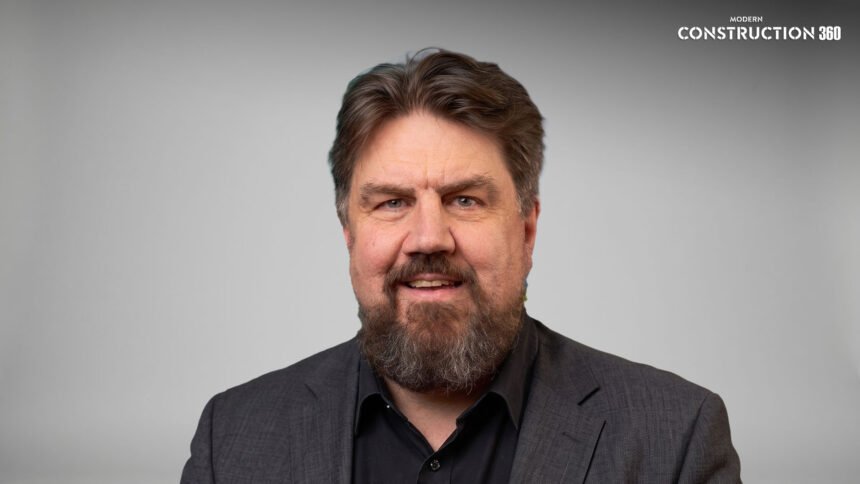
Founder and CEO Christopher Schaffner has played a central role in establishing The Green Engineer as a respected sustainability consulting firm.
Public professional profiles identify him as a Professional Engineer (PE) and LEED Fellow, one of the highest professional recognitions within the green building community. Schaffner earned a Bachelor of Science in Mechanical Engineering from the Massachusetts Institute of Technology (MIT). He is licensed as a professional engineer in Massachusetts, California, and Vermont. His career spans more than three decades in sustainable building design, focusing on high-performance mechanical systems, energy efficiency, and environmental consulting. Schaffner’s influence extends beyond client projects. Public profiles state that he has trained more than 10,000 building professionals in the LEED rating system, helping expand industry knowledge about sustainable building practices. He also teaches in Northeastern University’s Sustainable Building Systems program, where he shares practical experience with future sustainability professionals.
His leadership contributions include serving as the outgoing Chair of the LEED Steering Committee and as a founding board member of USGBC Massachusetts. These industry roles demonstrate his involvement in advancing sustainable building standards beyond his own company. Within The Green Engineer, Schaffner has helped create a culture that combines engineering precision with environmental responsibility. His technical expertise and educational work have shaped the firm’s consulting approach while supporting broader adoption of green building practices throughout the industry.
The Company Chose Steady Growth Instead of Outside Investment
The Green Engineer has raised venture capital funding, completed private equity investment, or participated in mergers or acquisitions. Instead, the company describes itself as an employee-owned Massachusetts Benefit Corporation operating under a mission-driven ownership model.
This ownership structure aligns closely with its emphasis on environmental responsibility, employee engagement, and long-term sustainability rather than rapid expansion through external financing. The company’s published reports also highlight its commitment to giving back to the community. It reported donating 15 percent of its 2021 net profits and $10,000 from its 2022 net profits to charitable organizations.
The Green Engineer Continues to Help Shape Sustainable Construction
The construction industry continues to face increasing pressure to reduce carbon emissions while improving energy efficiency and occupant well-being. Building owners now expect consultants to provide practical solutions that balance environmental responsibility with long-term financial performance. The Green Engineer has built its reputation by meeting those expectations through measurable engineering analysis rather than promotional claims.
Its portfolio of LEED-certified projects, independently recognized buildings, verified environmental performance metrics, and long-standing commitment to sustainable consulting demonstrate a consistent focus on practical results.
Under the leadership of Christopher Schaffner, the company continues to support projects that reduce energy consumption, lower carbon emissions, conserve water, and improve building performance. Its work reflects how sustainability consulting has evolved into an essential part of modern construction rather than a specialized service. As demand for high-performance buildings continues to grow, The Green Engineer’s emphasis on verified outcomes, technical expertise, and long-term environmental impact positions it as one of the established consulting firms contributing to a more sustainable built environment.