On a hot summer day, a building can consume enormous amounts of energy just to stay comfortable. Lights stay on, cooling systems run around the clock, and water use quietly adds to environmental pressure. For decades, many buildings were designed without fully considering their long-term impact on people and the planet. Today, that approach is changing. Across the United States, companies are working to make buildings healthier, more efficient, and more sustainable. Among them is BranchPattern, a sustainability consultancy that has spent more than three decades helping clients improve building performance through science, engineering, and sustainable design.
The story of BranchPattern is not simply about designing greener buildings. It is about understanding how buildings work, how people experience them, and how better decisions can reduce environmental impact over time. Since its beginnings in 1991, the organization has focused on helping create buildings that use resources more efficiently while supporting the health and comfort of the people who use them.
Today, BranchPattern is known for its work in sustainability consulting, building science, energy efficiency, and high-performance building design. The company combines technical expertise with research and practical project experience, helping clients make informed decisions about energy use, carbon reduction, and building performance.
A Company Built on Sustainable Design Principles
The roots of BranchPattern trace back to 1991, when M.E. Group was founded. The company developed expertise in engineering and building systems while building a strong interest in sustainable and high-performance design. A significant milestone came in 2018 when M.E. Group merged with Forte Building Science. Following the merger, the combined organization adopted the BranchPattern name. The move brought together engineering, sustainability, and building science expertise under one identity and expanded the company’s ability to provide integrated consulting services.
The merger remains one of the most important developments in BranchPattern’s history. Rather than growing through outside investment, the company strengthened its capabilities by combining complementary areas of expertise. This approach helped create a multidisciplinary organization focused on solving complex building performance challenges. Today, BranchPattern describes its mission as creating better built environments through building science, energy efficiency, and low-carbon design. Its work serves clients across multiple sectors while maintaining a strong focus on sustainability and measurable performance.
BranchPattern Focuses on Performance and Measurable Results
Modern building owners face increasing pressure to reduce energy consumption, lower operating costs, and address environmental concerns. BranchPattern helps organizations meet these goals through a range of consulting and technical services. The company’s work includes sustainability consulting, high-performance building design, commissioning, energy analysis, indoor environmental quality assessment, and embodied carbon evaluation. These services help clients better understand how buildings operate and where improvements can be made.
BranchPattern places strong emphasis on measurable outcomes. Rather than focusing only on design intentions, the company evaluates building performance and uses data to support decision-making. This approach reflects a broader shift within the construction industry toward performance-based sustainability. The company also works to improve indoor environmental quality, an area that includes factors such as air quality, thermal comfort, lighting conditions, and occupant well-being. BranchPattern’s philosophy recognizes that sustainable buildings should support both environmental goals and human health.
The Company Contributes to Industry Sustainability Efforts
BranchPattern’s work extends beyond individual projects. The company participates in several initiatives that support sustainability across the building industry. BranchPattern states that it is an AIA 2030 Signatory, reflecting a commitment to advancing energy-efficient building design. The company also identifies itself as an MEP 2040 Signatory, supporting industry efforts to reduce embodied carbon in mechanical, electrical, and plumbing systems.
The company has also stated that members of its team contributed to the development of LEED v5, the latest version of one of the world’s most widely recognized green building certification systems. In addition, BranchPattern has reported participation in initiatives connected to the U.S. Department of Energy’s Net Zero Schools Accelerator Program. These activities demonstrate the company’s interest in contributing to broader industry conversations about sustainability, building performance, and environmental responsibility.
Research Supports the Company’s Work
Research plays an important role in BranchPattern’s approach. The company regularly studies topics related to building performance, carbon reduction, and sustainability. One example is its Embodied Carbon Benchmark Study, which BranchPattern describes as a major effort to better understand greenhouse gas emissions associated with industrial buildings. The study reflects growing industry interest in reducing emissions not only from building operations but also from the materials and construction processes used to create buildings.
Through research and analysis, BranchPattern seeks to provide information that can help clients and industry professionals make more informed decisions about sustainability. This emphasis on evidence-based practice has become a defining feature of the company’s work.
Projects Showcase Sustainable Design in Practice
BranchPattern highlights several projects that demonstrate how sustainability principles can be applied in real-world settings.
One example is Gateway 670 in Charlestown, Indiana. According to information published by BranchPattern, the project achieved LEED Gold certification and delivered significant improvements in energy and water performance. The company reports that the project achieved a 63 percent reduction in energy use compared with baseline expectations while also reducing carbon emissions and supporting substantial annual water savings.
Another notable project is BranchPattern’s Omaha office. According to the company, the office became one of the early projects to achieve LEED v5 O+M Platinum certification. BranchPattern has also stated that the project later received a 2026 U.S. Local Leadership Award for Project Excellence from the U.S. Green Building Council. These projects illustrate how the company applies sustainability principles to both client work and its own facilities. They also reflect BranchPattern’s focus on measurable performance outcomes.
Employee Ownership Shapes the Company’s Culture
BranchPattern identifies itself as an employee-owned company operating through an Employee Stock Ownership Plan, commonly known as an ESOP. This ownership structure distinguishes the company from many businesses that rely on outside investors or venture funding. Based on publicly available information reviewed for this article, no verified public funding rounds have been announced by BranchPattern.
Employee ownership can encourage long-term thinking because employees share a direct interest in the company’s success. For BranchPattern, the model aligns closely with its broader focus on sustainability, responsibility, and long-term value creation. The company has continued to grow its reputation through professional expertise, research, and client service while maintaining its employee-owned structure.
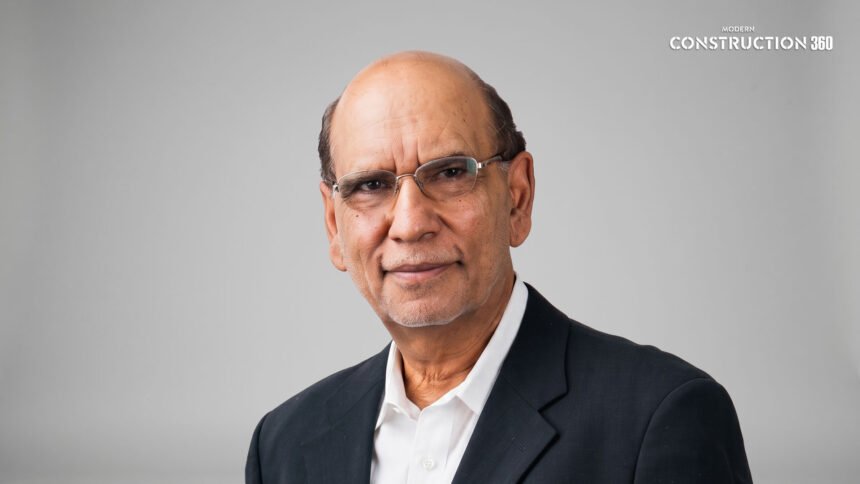
Ravi Maniktala Helped Shape BranchPattern’s Direction
Ravi Maniktala serves as Principal and Chief Executive Officer of BranchPattern and has been closely connected to the company’s development since its earliest days. According to BranchPattern’s published leadership profile, Maniktala earned a Bachelor of Science in Mechanical Engineering from the University of Nebraska–Lincoln. He also holds several professional credentials, including Professional Engineer (PE), LEED AP BD+C, Certified Commissioning Authority (CXA), and High-Performance Building Design Professional (HBDP).
BranchPattern states that Maniktala’s interest in sustainable design began early in his career through work on a passive solar house project. That experience helped shape his long-term interest in energy-efficient and human-centered buildings. As a co-founder of M.E. Group in 1991, he helped establish the foundation of the organization that would later become BranchPattern. Throughout his career, he has contributed to the company’s technical direction and sustainability-focused approach to building performance.
BranchPattern’s published biography notes that he has worked on numerous LEED-certified projects and has played an important role in advancing the company’s commitment to high-performance design, building science, and environmental responsibility. His leadership has helped BranchPattern maintain a consistent focus on technical excellence, innovation, and sustainability for more than three decades.
Why BranchPattern Stands Out in Green Building
BranchPattern’s story reflects the evolution of the green building industry itself. The company began its journey when sustainable design was still gaining recognition and has remained focused on improving building performance through science-based solutions. Over the years, the organization has expanded its expertise in sustainability consulting, building science, research, and performance analysis. Its participation in industry initiatives, combined with its project work and employee-owned structure, has helped establish a reputation built on technical knowledge and long-term commitment.
The company demonstrates that sustainability involves more than certifications or design trends. It requires understanding how buildings function, measuring performance, and continuously improving outcomes. BranchPattern’s work reflects that philosophy. More than three decades after its beginnings in 1991, the company continues to focus on creating better built environments through engineering, research, and sustainable design. As building owners and communities seek more efficient and environmentally responsible spaces, BranchPattern remains part of the ongoing effort to build a more sustainable future.